

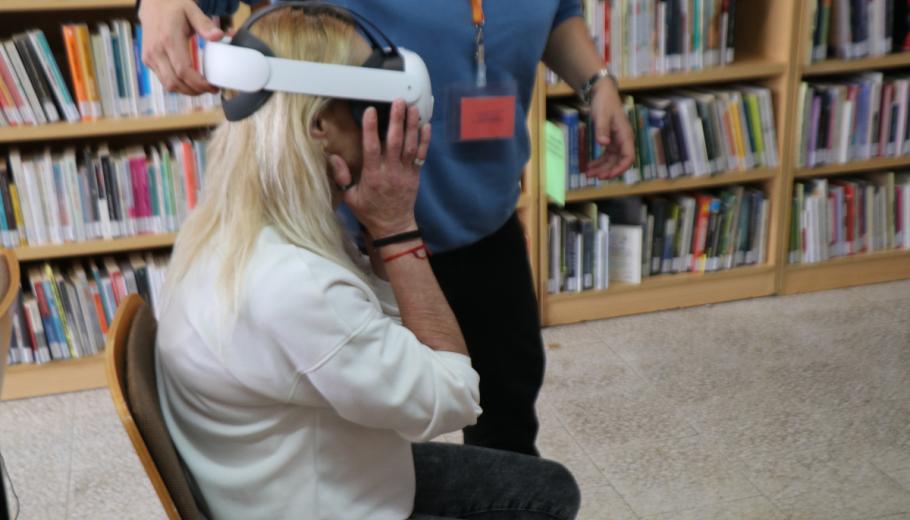


The project, developed for the Department of Justice, includes testing various experiences with 16 inmates to evaluate the benefits in areas such as mental health, emotional well-being, and socio-educational intervention.
Since 2020, at Suara Cooperativa we have been exploring immersive and virtual reality as tools to improve therapeutic support and socio-educational intervention. This expertise, knowledge, and experience has now enabled us, alongside Fundació Ires, to train professionals in correctional facilities as part of a collaboration with the Catalan Government's Department of Justice.
Suara’s mission is to transform the social environment. Therefore, in a world of constant technological evolution, innovation is an inherent value of our cooperative. For this reason, our social innovation lab, the Social Digital Lab (SDL), researches and develops innovative solutions to current challenges—such as the use of immersive reality in the care, well-being, and education sectors across different stages of life.
Exploring these fields over the past six years has allowed us to acquire the expertise to conduct three theoretical and practical training sessions for 52 professionals at the Lledoners, Joves, Ponent, and Mas d’Enric penitentiary centers.
The practical component also involved testing different experiences with 16 inmates at these facilities, which were specifically designed for this program.
Specifically, the project involved 11 professionals and 8 inmates at CP Joves; 10 professionals and 8 inmates at CP Lledoners; 15 professionals and 3 inmates at CP Ponent; and 16 professionals and 6 inmates (including three women) at CP Mas Enric.
Tailored Content for Correctional Facilities
By recreating real-world environments, immersive reality allows professionals to work through experiential situations with users in a safe and controlled manner. Along these lines, Suara Cooperativa has verified this tool's potential to support individuals facing mental health disorders, manage emotions, and improve cognitive, communicative, and physical skills.
This is not the only expertise we have contributed to these training programs. Suara Cooperativa also manages six of the new intercultural mediation services in Catalan prisons, giving us deep insight into the challenges and needs of both the staff and the inmates in these facilities.
As a result, we demonstrated to the Justice Department professionals how immersive reality can address conflict prevention, management, and resolution. In fact, Suara Cooperativa took its first steps in this area last year by running a pilot program using virtual reality glasses in Catalan prisons.
Another unique aspect of this service is how immersive reality allows us to support inmates as a transformative tool for social and professional reintegration. This includes sessions focused on occupational therapy or other activities that help improve academic skills, cognitive abilities, and relationships.
In fact, the prison staff who participated in the training—which they rated highly—indicated that the areas where immersive reality holds the greatest potential are socio-professional integration and emotional support for young inmates.
Immersive Reality Experiences for Prisons
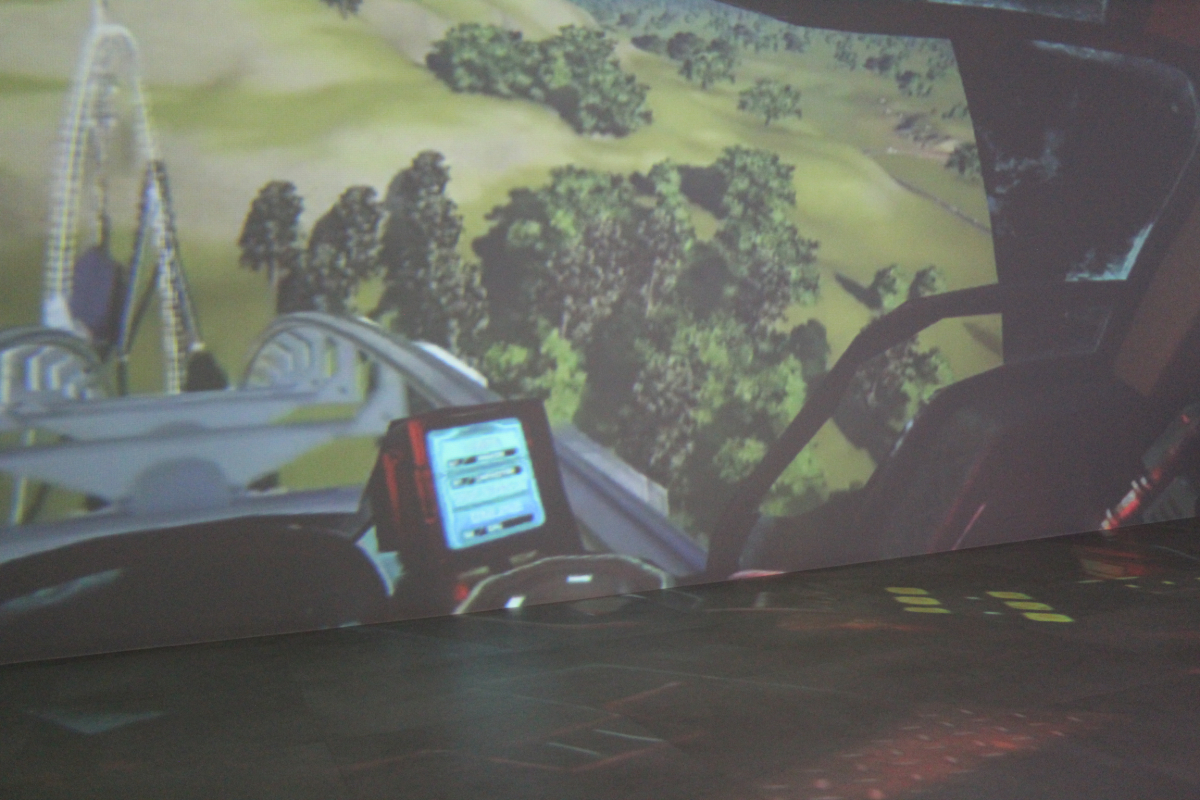
Because correctional facilities have unique requirements, the Department of Justice developed specific immersive experiences tailored to this environment, which were then tested with the inmates. To power this content, the Department of Justice used technology from Broomx, a startup we have partnered with since our immersive reality projects first began.
At Suara Cooperativa, we have compiled all this knowledge into a comprehensive manual on using immersive reality in personal care and support, which has been delivered to the Department of Justice.


