

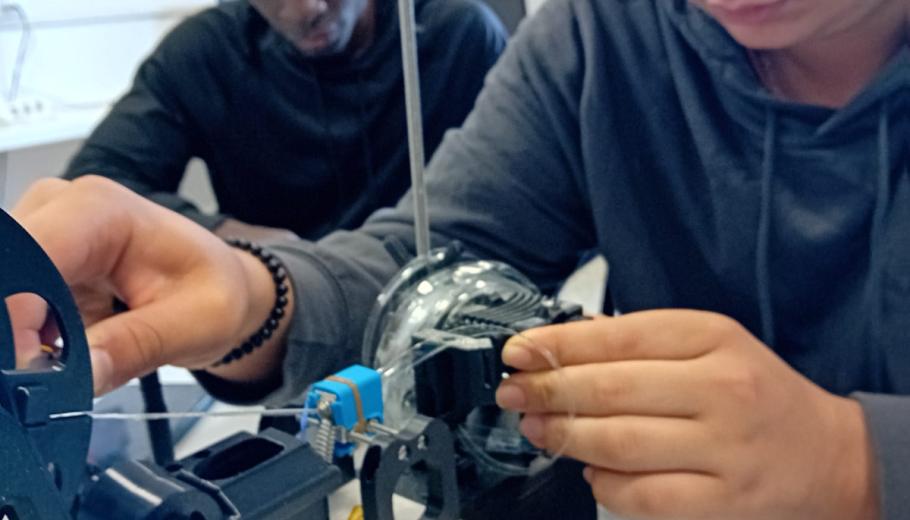


On International Literacy Day, emphasis is placed on education as a fundamental right that creates opportunities to guarantee social and labor inclusion—a challenge addressed by the team running the supported housing apartments for former foster youth aged 18 to 21 in Lleida through training programs that empower them and build ties with the community.
Every year, the desire to build a better life drives thousands of people to leave their homelands and families behind to embark on a journey toward an unfamiliar city and society. They arrive knowing no one, carrying the trauma of migratory grief.
This situation is a daily reality in the three apartments for former foster youth aged 18 to 21 managed by Suara Cooperativa in Lleida, where the mission is to transform their reality so they can build an autonomous, independent life in their host society.
“The ultimate goal for these young people is to receive training so they can later enter the labor market with job guarantees,” explains Elena Rojo, a social educator at Suara Cooperativa working in this service.
This effort gains even greater significance on September 8, International Literacy Day—established by UNESCO to remind the world that, with 739 million people unable to read or write (two-thirds of them women), education is a basic right everyone should access. Skills like reading and writing are essential across all areas of society while promoting equal opportunity. This represents one of the main obstacles facing the Lleida housing team: many of the young people supported did not attend school in their home countries, which limits the number of training programs available to them.
While traditional schooling and literacy are indispensable, Suara Cooperativa—whose mission is to transform and improve lives—has observed across its services that 21st-century equity requires additional competencies to build fairer societies and foster inclusion for vulnerable populations.
One such competency is digital literacy, ensuring no one is left isolated in an increasingly digitized system. In a competitive and dynamic job market, equipping individuals with tools for job application processes is equally vital. Furthermore, in a world where one in four people will experience a mental health disorder in their lifetime, educating individuals on emotional management is essential for building positive, healthy strategies for psychological well-being.
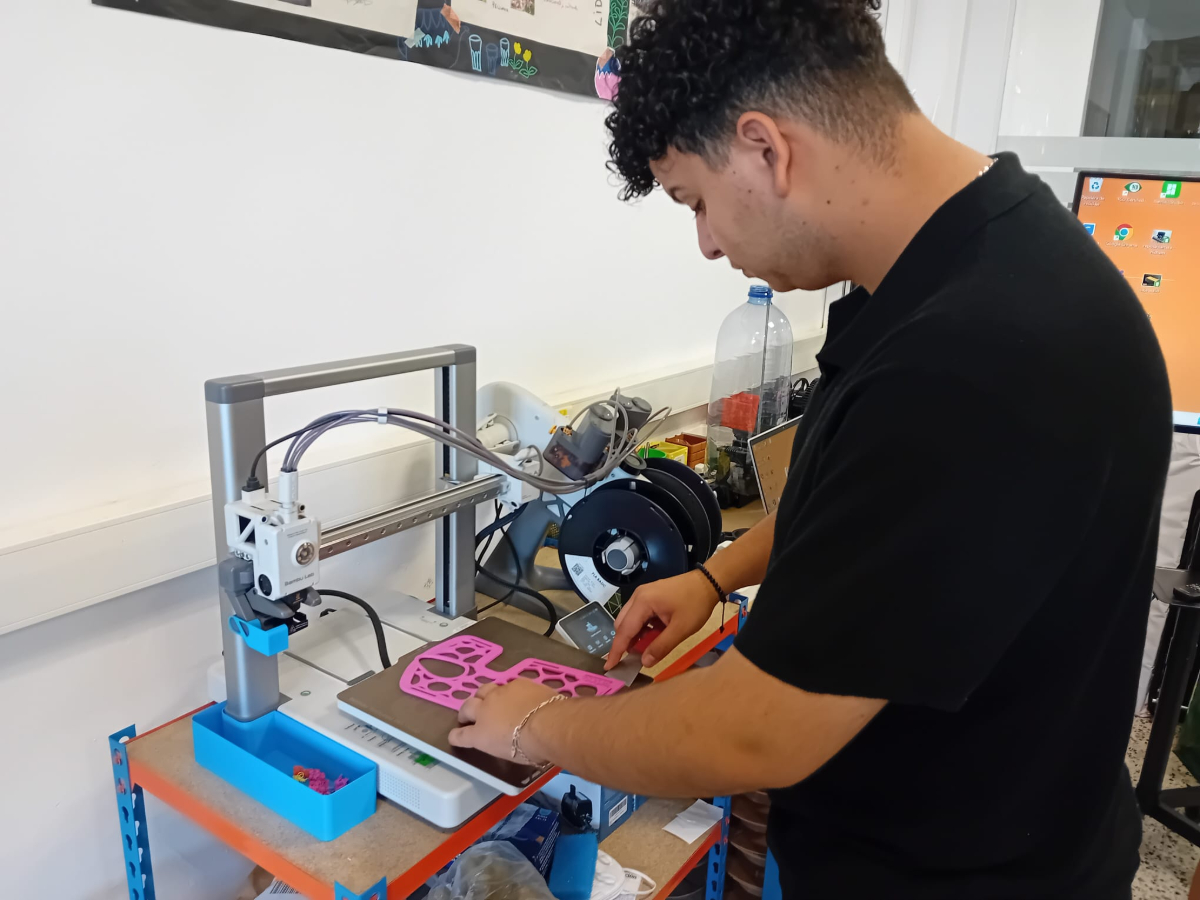
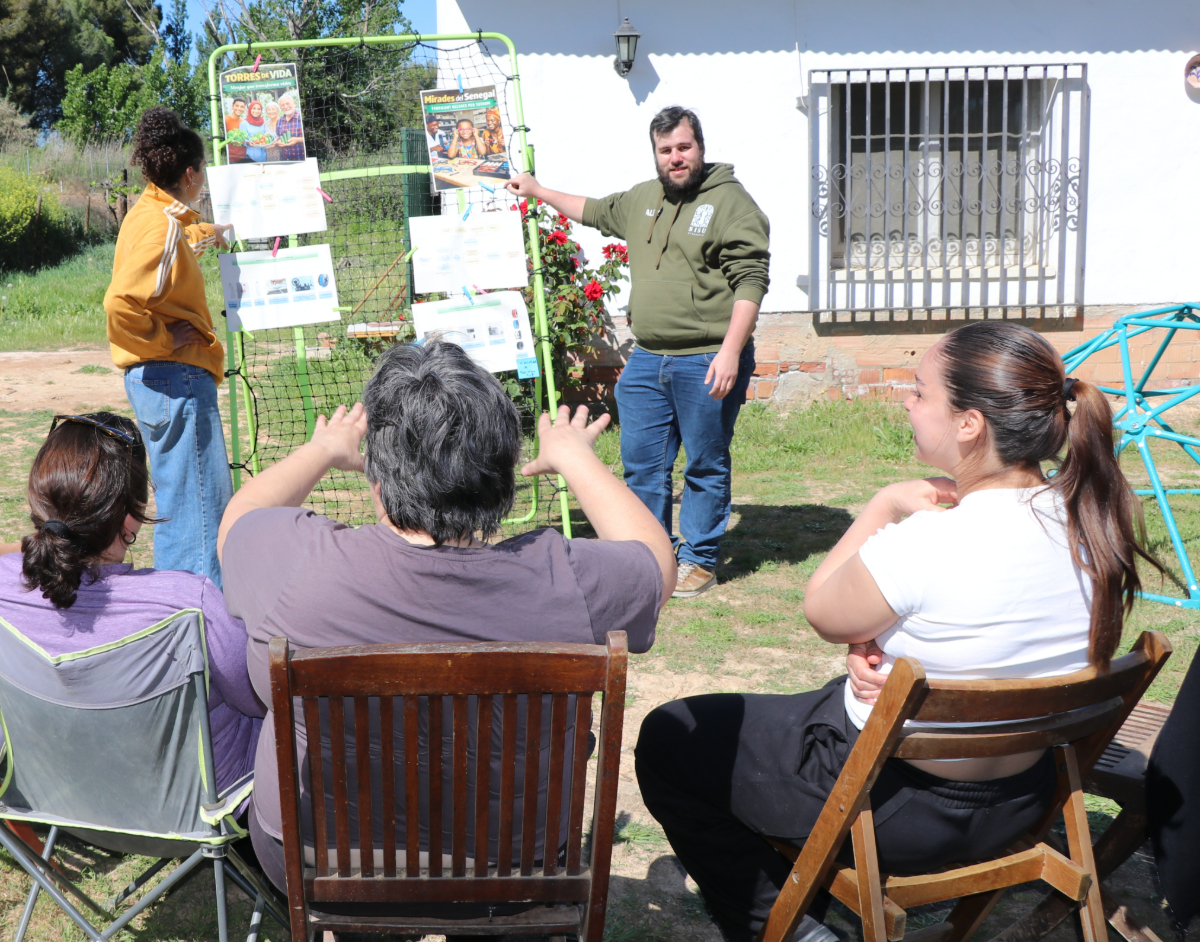
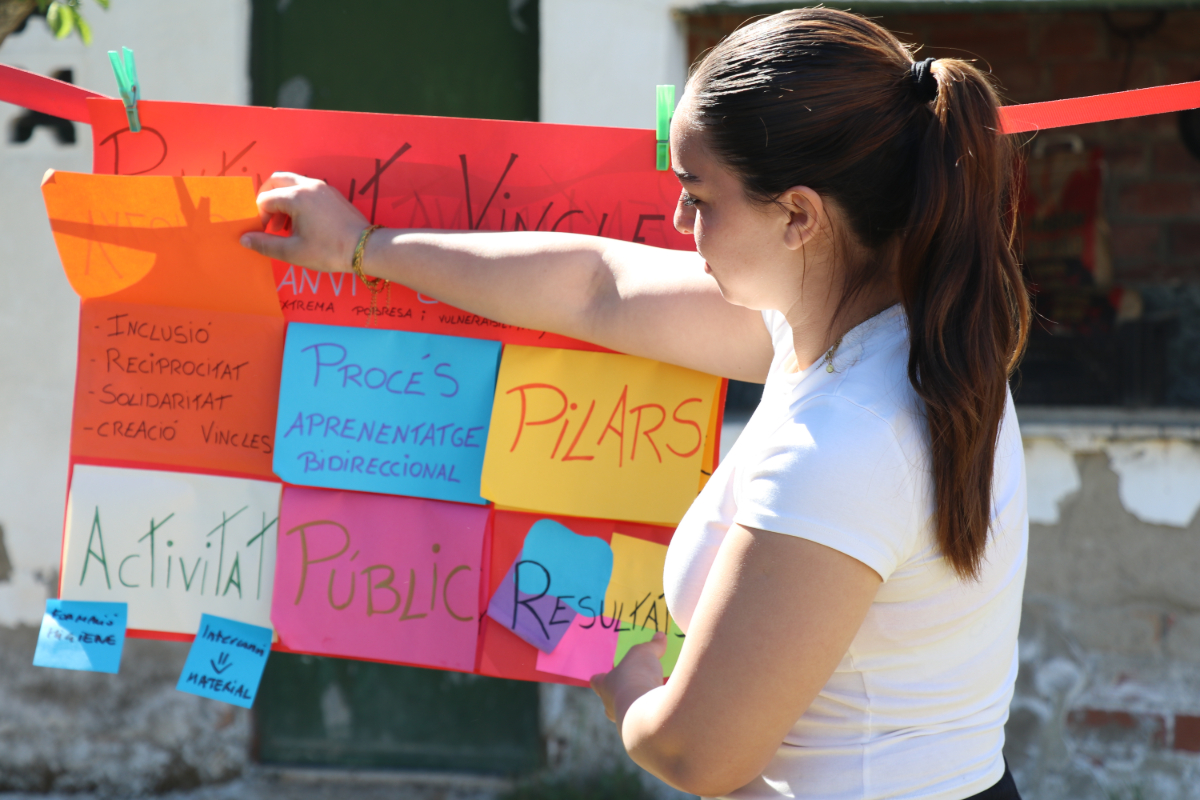
To address these needs, the Lleida team has pioneered a work model built on three interconnected pillars: job placement, innovation, and well-being. This framework includes group activities for youth across all housing units, equipping them with new tools that enhance the positive impact of their social transformation. "The most important element here is teamwork and ongoing coordination among professionals to identify the young people's needs," says Dúnia Moutarbi, a social educator at one of the Lleida apartments.
Esto se complementa con planes individualizados que se trabajan con cada una de las personas jóvenes a quienes se pone en el centro para que escojan el proceso vital y laboral que quieren construir y, así, también empoderarlas a través de la toma de decisiones, una forma de hacer que va en consonancia con el modelo de atención de Suara Cooperativa. En este sentido, Moutarbi señala que diseñan conjuntamente con cada persona su propio plan para impulsar sus habilidades y formación para que puedan construir un proyecto vital y laboral que el día de mañana les permita sostener una vida fuera del servicio: “Al final llegan a una ciudad nueva, que no conocen mucho y lo que hacemos es acompañar a estos jóvenes para que se les haga más fácil este camino, así como que ganen autonomía”.
Consolidar un proyecto laboral
La finalidad del recurso es que cuando una persona atendida llegue a los 21 años haya podido construir un proyecto laboral que le permita llevar a cabo una vida digna, autónoma e independiente, coincide la insertora laboral Fàtima El Ouazouz. “Lo que nosotras intentamos hacer, sobre todo, es dar mucha importancia a la formación previa de los jóvenes porque creemos que deben tener una base que les permita tener un trabajo estable y mantenerlo”, asegura El Ouazouz.
La barrera idiomática y el hecho de que la persona joven no haya tenido una escolarización previa en su país de origen, precisa El Ouazouz, son los principales obstáculos a los que nos enfrentamos cuando empezamos a acompañarlas en la materialización de su sueño. Por eso, en primer lugar, relata El Ouazouz, se le busca un curso donde pueda aprender la lengua de la sociedad de acogida, que será con la que se comunicará tanto en el ámbito laboral como personal.
El siguiente paso es acompañarla en la elección del plan formativo que más le conviene, según sus necesidades, habilidades o capacidades, entre otras. La realidad, sin embargo, según indica El Ouazouz, es que la mayoría acaban optando por formaciones básicas de peluquería, restauración o almacén porque no disponen de la educación secundaria ni primaria. Finalmente, se le da apoyo en la búsqueda de empleo y se las forma en cómo encarar los procesos de selección de personal para que puedan construir un proyecto vital fuera del piso, aunque los primeros meses pueden trabajar y seguir en el recurso.
Un proceso que lidera desde el inicio hasta el final la persona atendida, que es quien toma las decisiones en cada fase de su recorrido, reitera en diferentes ocasiones El Ouazouz. En este contexto, recuerda que como educadora social se limita a acompañarla, aconsejarla o darle apoyo en la búsqueda de aquellas soluciones que más le convengan, pero no interfiere en su toma de decisiones.
This approach is complemented by individualized plans centered on each young person, empowering them to choose their own personal and professional path in line with Suara Cooperativa’s care model. Moutarbi notes that they co-design custom plans with each individual to foster skills and training for independent living outside the program: “They arrive in a new city they don't know well, and our job is to guide them along this path, making it easier while fostering their autonomy.”
Building a career path
The program aims to ensure that by age 21, participants have established a employment foundation for a dignified, independent life, agrees job placement specialist Fàtima El Ouazouz. “What we emphasize most is prior training because we believe young people need a foundation to secure and maintain stable employment,” El Ouazouz explains.
Language barriers and a lack of prior schooling in their home country present the main initial obstacles, El Ouazouz notes. The first step is enrolling the young person in language courses for the host country, enabling communication in both personal and professional spheres.
The next step involves guiding them toward a training plan tailored to their needs, skills, and abilities. However, El Ouazouz points out that most end up choosing basic training in hairdressing, catering, or warehousing due to a lack of primary or secondary education. Finally, support is provided for job searches and interview preparation, helping them build a life outside the apartment, though participants can continue living in the resource during their initial months of employment.
This process is led from start to finish by the young person, who makes the decisions at every stage, El Ouazouz emphasizes. She notes that her role as a social educator is strictly to guide, advise, and support them in finding suitable solutions without interfering in their decision-making.
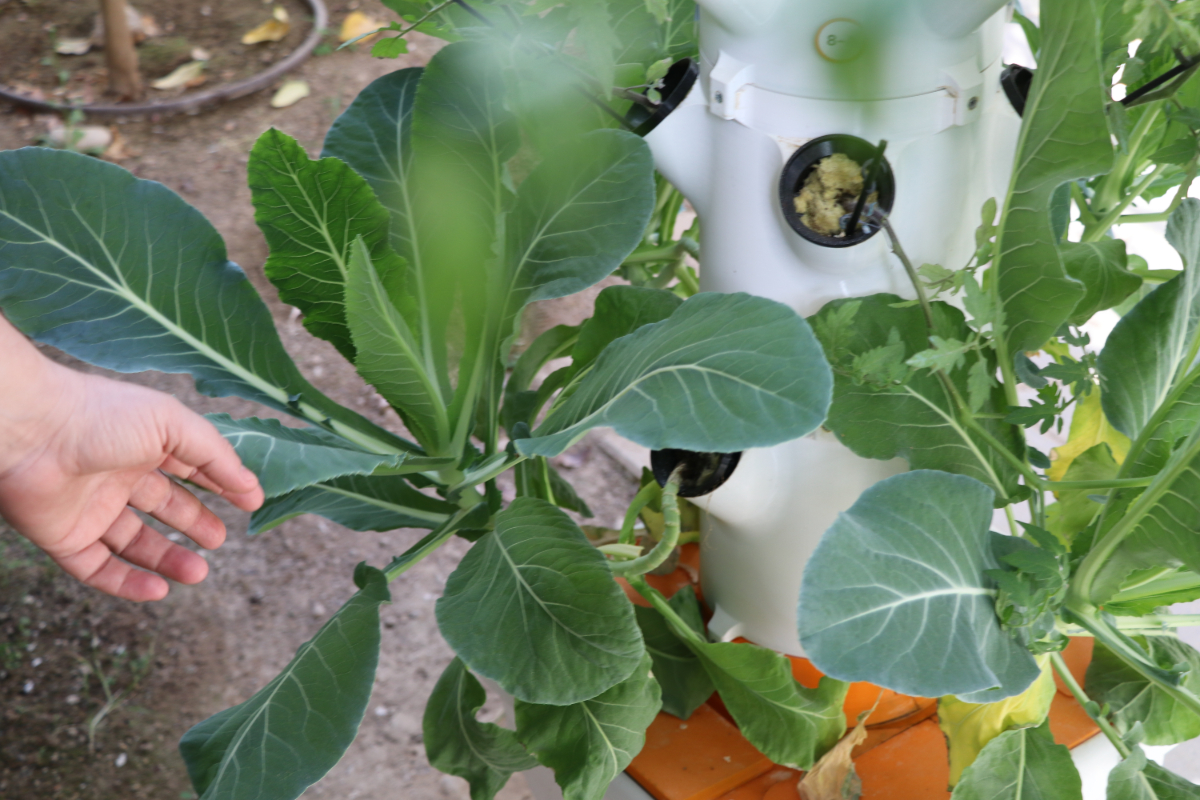
The second project utilizes virtual and immersive reality technology to prepare participants for job interviews. By recreating realistic interview environments, young people can experience a simulated selection process, helping them recognize and manage their emotions, practice responses, refine their communication skills, and build confidence before facing real-world interviews.
"It is vital for technology to reach local communities to reduce inequality and create local training and job opportunities," Fernández concludes.
Emotional and social well-being: the program's foundation
A sustainable career and personal project requires a strong foundation in emotional and social well-being. A priority is rebuilding self-esteem, which is often eroded by the migratory journey and vulnerable conditions during the transition into adulthood, notes Laura Cortés Teixidó, a member of the well-being team.
Cortés stresses the importance of shifting perspectives: “What do we see when we look at these young people? Do we see trauma, or do we see resilience? If we see resilience in them, they can see it in themselves through us,” she explains. “Look at where you are and what we can learn and do from here so your life can truly be dignified—the life you came here to build.”
Activities like artistic expression, tracking feelings using an "emotional kit," and building a "refuge" for positive memories help participants navigate self-discovery and emotional regulation during tough moments.
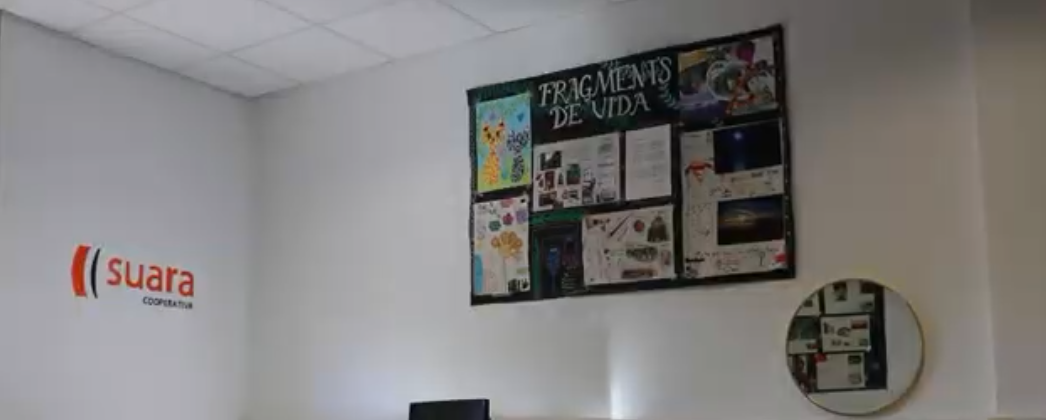
Living far from home in an unfamiliar city without family support can create feelings of loneliness—one of the main social challenges addressed by the Lleida team. To counteract this, staff build connections between participants, social services, and community organizations, organizing cultural and recreational events throughout the year to foster social integration. “Many of these young people arrive carrying heavy memories, so helping them build positive, healthy new memories is essential,” Cortés emphasizes.
Job placement and social integration remain inseparable in this program for former foster youth, where building lasting social support networks is paramount. "The best reward is seeing that when they leave and live independently, they still call or drop by to visit us," El Ouazouz concludes. "Beyond helping them get a job contract, we’ve built a lasting human support network that stays with them."


