

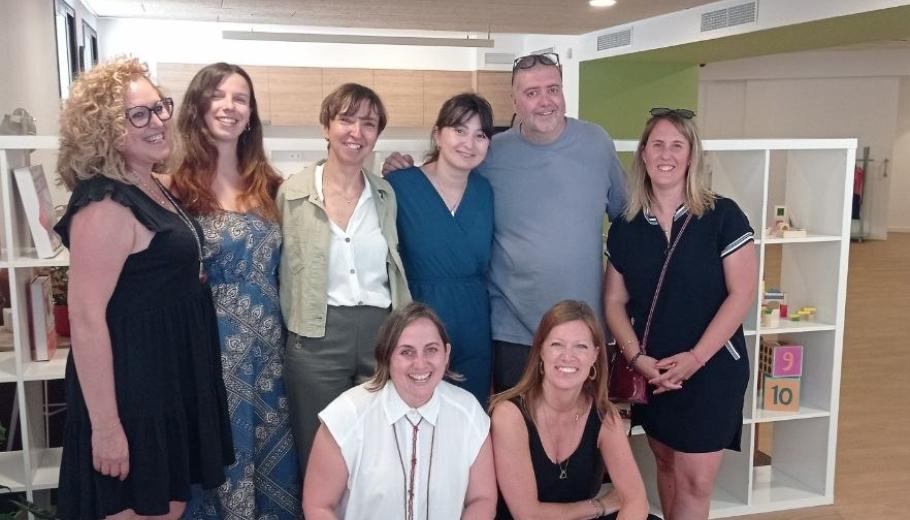


This service offers comprehensive and intensive support that combines individual, family, group and community work to promote the well-being of children and strengthen the parental and emotional capacities of families.
The Barcelona City Council has recently inaugurated a new Socio-Educational Intervention Service (SIS) for families in vulnerable situations in Nou Barris, which opened its doors last May. This space, managed by Suara Cooperativa, serves families with children aged 0 to 6 years in the districts of Nou Barris, Horta-Guinardó and Sant Andreu, in the morning and afternoon.
The service, which is completely free, has the capacity to serve 25 families and supports them for a period of two years in the development of their parental, maternal and emotional capacities. During this time, the entire family receives comprehensive and intensive support.
This is aimed at families referred by basic and specialized social services. With each of them, a psycho-social and educational intervention work plan is developed aimed at enhancing family autonomy and improving the conditions of raising, caring for and educating children.
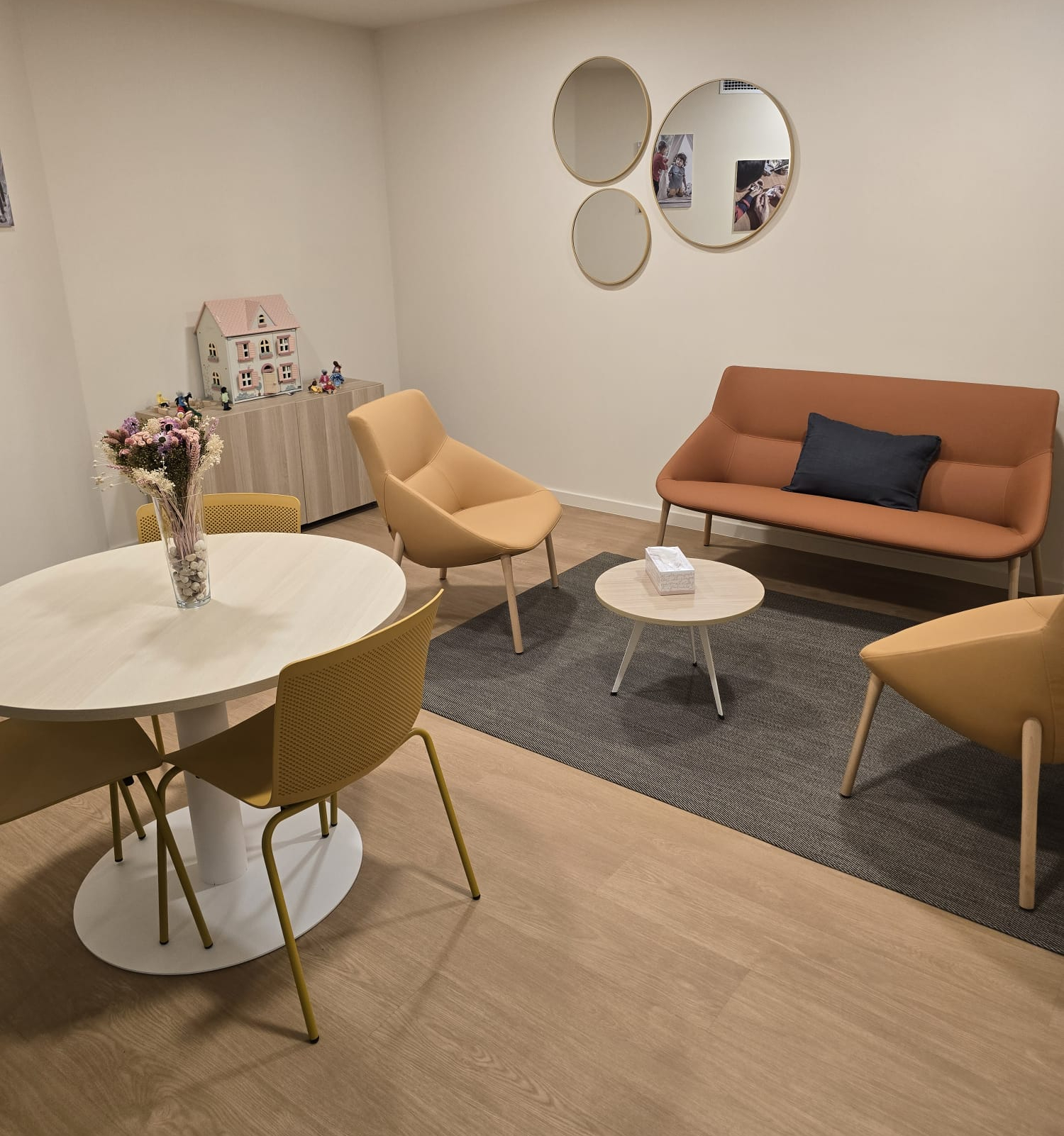
The facility is located in a 375 square meter municipal building, where there are different rooms for interviews and individual, family and psychological interventions. In addition, it has play and meeting areas that promote relationships and group work between the different families.
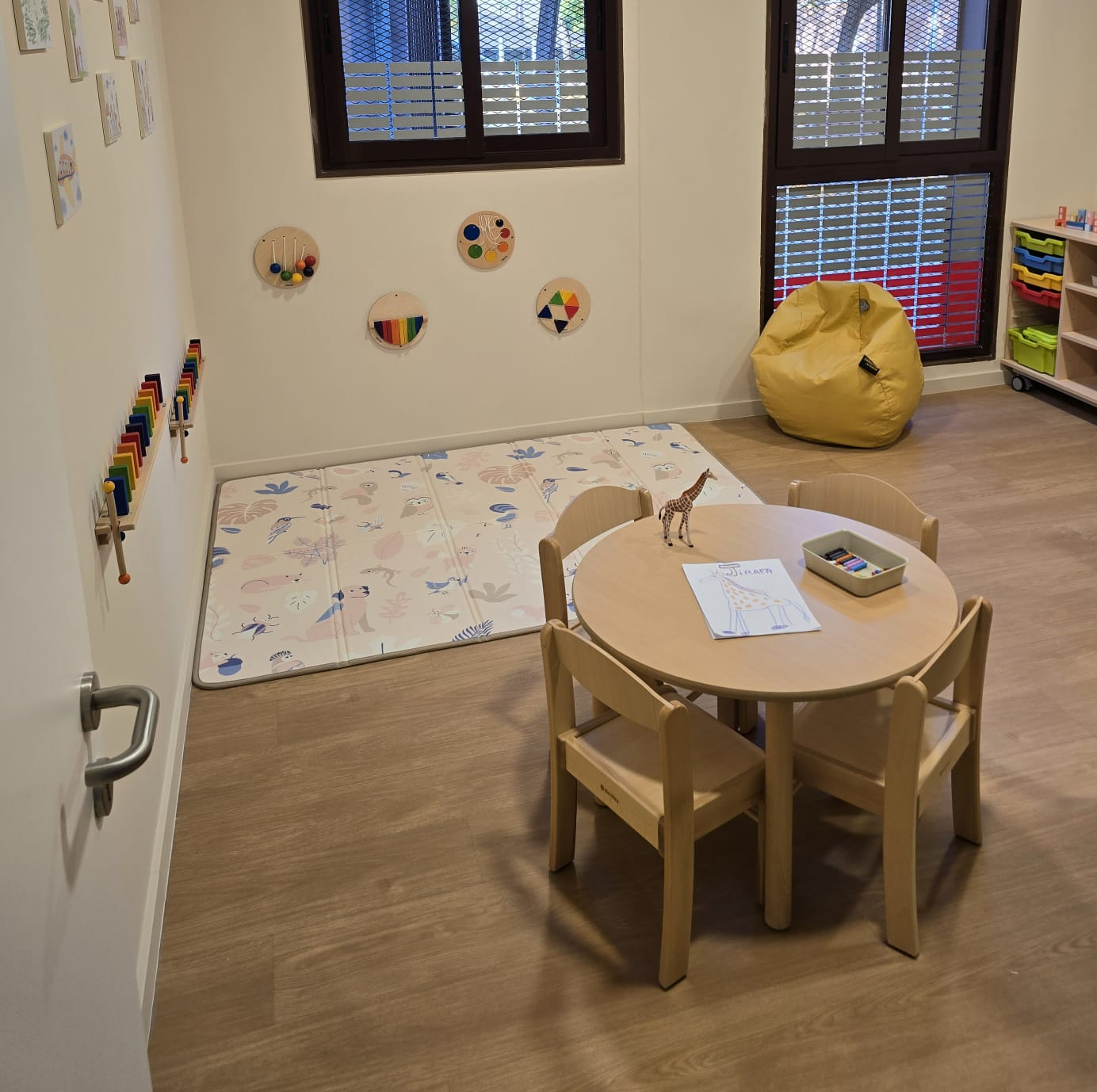
It also has spaces that recreate the everyday environment, such as the kitchen or the living room, to be able to work on aspects related to care, nutrition, hygiene and health. The service is based on the idea that many of the parental and relational skills are built in everyday life. That is why it has these spaces that allow working on real situations of raising, living together and caring.
During the inauguration ceremony, which took place on June 3, Raquel Gil, Deputy Mayor for Social Rights, emphasized that facilities such as the SIS de Nou Barris place parenting and child welfare at the center of social policies. “We are consolidating a public model that defends the right of all children to grow up in safe, healthy environments with opportunities for comprehensive development,” emphasized Gil.
In turn, the Commissioner for Social Rights, Sònia Fuertes, highlighted the importance of strengthening support for families at a key stage for childhood and the benefits that this entails for children. “We continue to expand a network of local services that works to guarantee opportunities, rights and social cohesion in all neighborhoods of Barcelona,” she added.
According to the City Council, the launch of the SIS de Nou Barris reinforces a model of socio-educational services aimed at prevention, early detection and intervention in situations of child vulnerability. This model expands the traditional focus on the child and incorporates the family as a key element to guarantee their development and protection.
A family-centered intervention model
At Suara Cooperativa, our mission is social transformation to improve the lives of people and territories. To achieve this challenge, one of our core values is participation, which we understand as a tool for empowering people. Therefore, in our support model, we not only put people at the center, but we also support them so that they can become protagonists of their own change processes.
In this context, the SIS de Nou Barris develops a comprehensive psycho-socio-educational intervention that places families at the center of their process and recognizes their capabilities and potential as a starting point for change.
“The SIS service is a socio-educational intervention service that accompanies children and families with the aim of improving relationships between parents, sons and daughters so that children grow up in environments of good treatment, respect, care and kindness”, explains Manel Grande, social educator at Suara Cooperativa and director of the SIS in Nou Barris.
To make this possible, the service has an interdisciplinary team formed by social education professionals, a psychologist and a social integrator, who work in a coordinated and complementary manner with social services, specialized services and the different community agents in the territory to offer a comprehensive response to the needs of families.


