

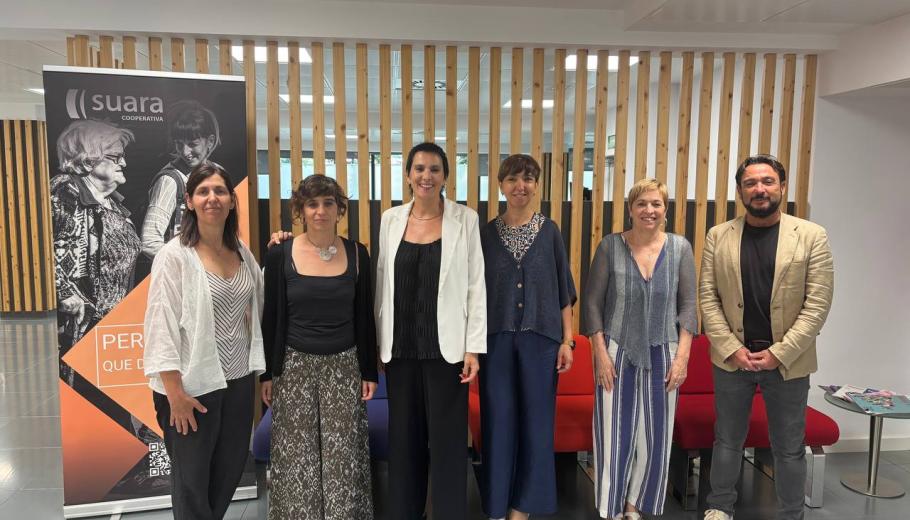


Arnal visits the cooperative's headquarters in Barcelona, where we show her how we use immersive reality to improve the psychological health and emotional well-being of young people, as well as the Post-Acompanya’m apartments for individuals aged 18 to 21.
Traveling into space, diving into a sea full of jellyfish, or gazing at a starry sky on a night with a full moon are some of the experiences that Laia Arnal, director of the National Mental Health Pact, was able to try out in Suara Cooperativa's immersive reality room.
This is a technology that our organization is using to address one of the greatest challenges we face as a society: caring for the mental health of children, adolescents, and young people. As an example, 30% of young people state they have an emotional well-being issue. At the same time, activity in Child and Adolescent Mental Health Centers has increased by 24%; hospital admissions by 40%; and cases of anxiety and depression by 30%.
EMOTIO, designed with Broomx technology, is one of the projects using immersive reality to care for people between the ages of 16 and 21. Xavier Vinuesa, a psychologist and youth care specialist at Suara Cooperativa, presented this project to Arnal on Tuesday. This tool enables the creation of safe environments to work with patients on episodes of stress, trauma, and emotional distress, as well as to improve self-esteem, personal development, emotional regulation, and cognitive skills, among others.
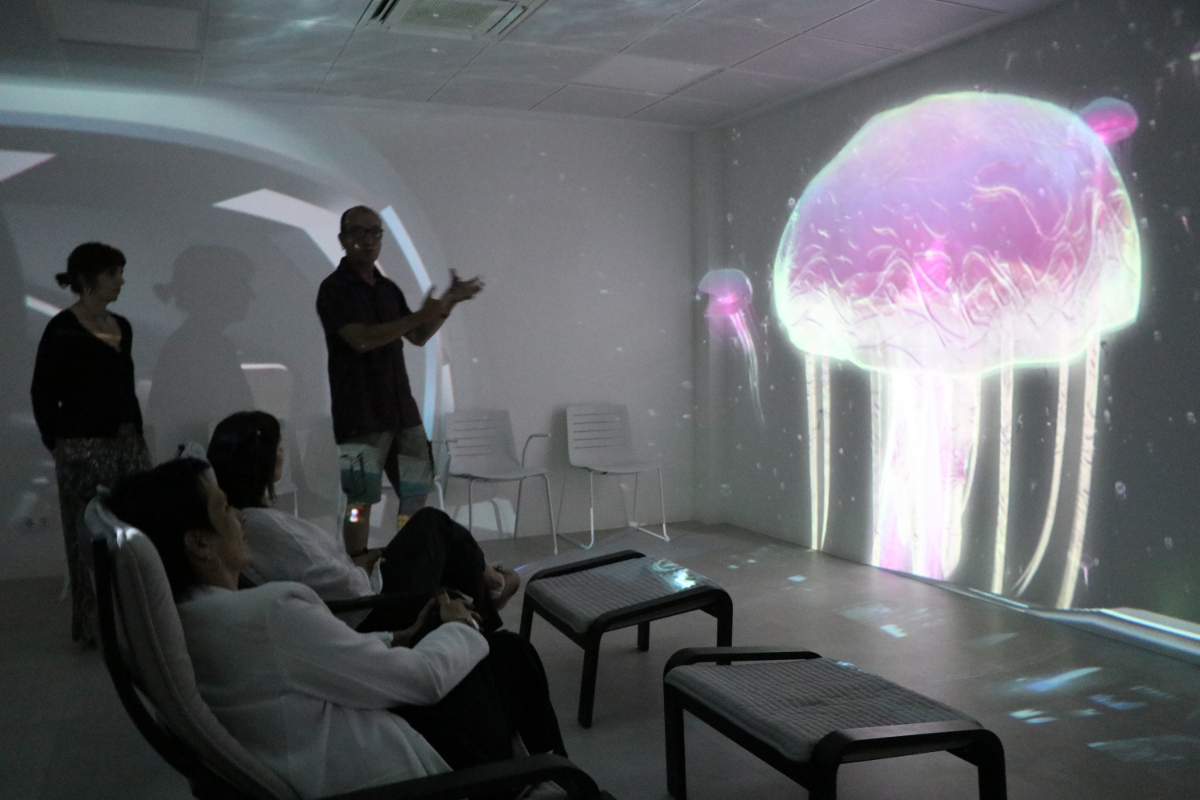
Vinuesa added that immersive reality more easily captures the attention of young people during therapeutic sessions, while also fostering the bond between them and the professional supporting them.
Apartments with therapeutic support
This is not the only project linked to mental health that Arnal learned about during her visit to Suara's headquarters in Barcelona. Currently, the cooperative, together with the Sant Joan de Déu Hospital, has launched the "Post Acompanya’m" apartments, a temporary residential resource for young people over 18 who require both therapeutic and educational guidance.
We have also launched the Espai Terapèutic (Therapeutic Space), which offers both young people and professionals comprehensive support through psychological guidance, conducted in individual or couple sessions. The goal is to create safe and accessible environments where people can talk, share, and express their emotions, fears, and/or concerns in order to address mental health in a preventive and restorative manner.
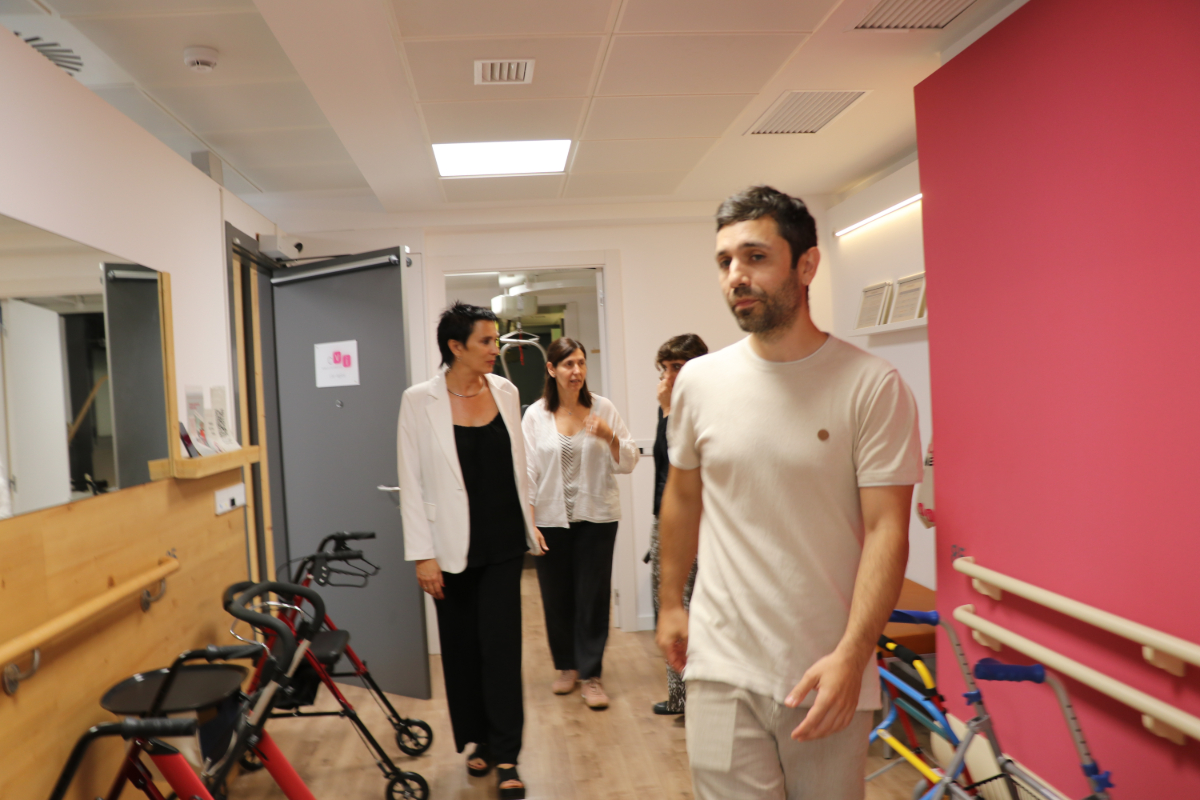
Another project presented to Arnal is Casa Adolescents (Adolescent House), an emotional support and mental health service integrated into the Químics Espai Jove. It is staffed by a psychologist and a nurse. Inspired by the French Maisons d’Adolescents model, this initiative reinforces the Els Químics youth space project by incorporating a therapeutic, preventive, and holistic perspective toward the user, encompassing their emotional, relational, and mental health needs, among others.
Other Suara Cooperativa projects
Apart from the initiatives linked to mental health and emotional well-being, Arnal was briefed on Suara Cooperativa's strategic projects for this year, 2026, two of which are also linked to the healthcare sector.
Furthermore, Jordi Picas, Director of Innovation at Suara Cooperativa, showed Arnal the different lines of work in robotics, sensor technology, artificial intelligence, and virtual and immersive reality, among others, at the Social Digital Lab (SDL)—Suara Cooperativa's social innovation laboratory. This lab fosters collaborative spaces between public administrations, citizens, tech companies, research institutes, and universities to devise, create, and implement responses to major global challenges. It is precisely within this space that the EMOTIO project was born.
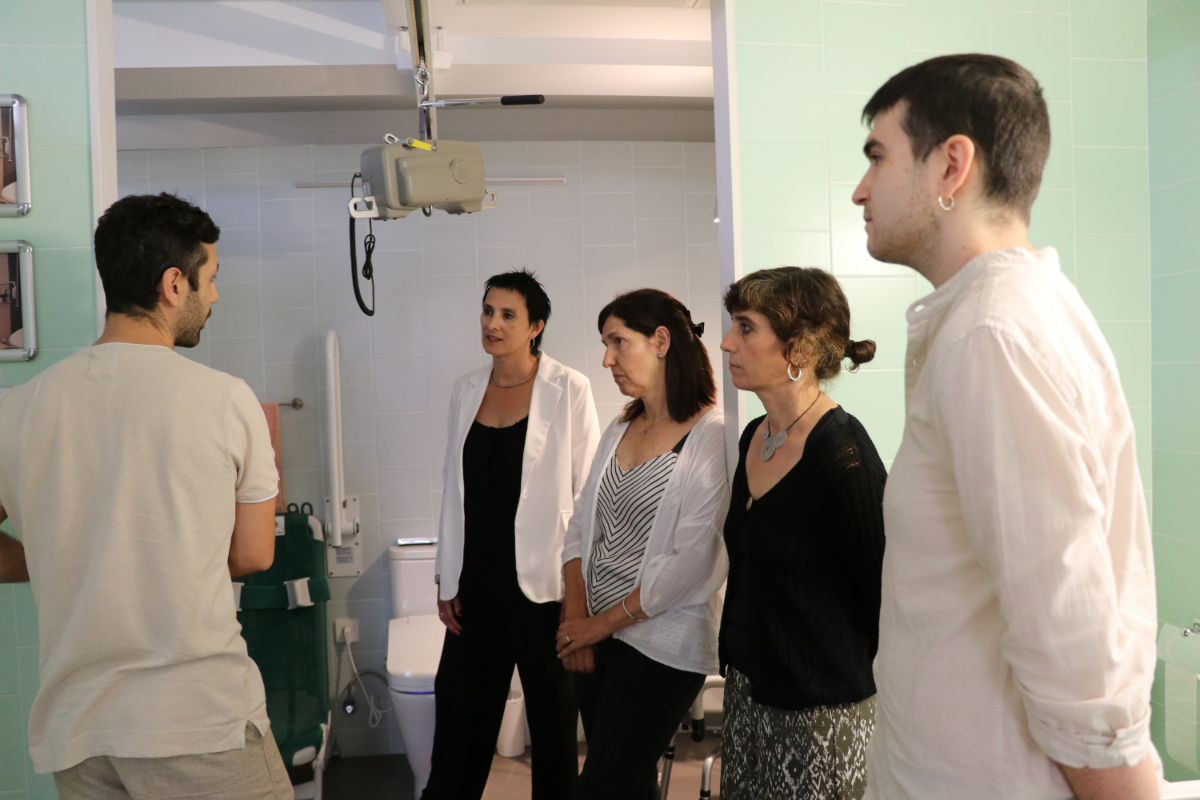
Finally, Arnal visited the Centre de Vida Independent (CVI - Independent Living Center), an assisted living apartment used to develop various solutions so that dependent individuals can live more autonomously in their own homes. This space also serves to train home-care professionals, allowing them to practice with the various tools available in the apartment.
Arnal's visit to Suara Cooperativa—having assumed office in late 2025—is part of a series of meetings she is holding with organizations working in the fields of health, well-being, and care. Arnal believes there is a need for a community-based healthcare system that offers comprehensive care, moving beyond mere intervention to also address prevention, promotion, and prediction. With this goal in mind, Arnal plans to set up a Mental Health Observatory over the next two years to evaluate the impact of public policies, as well as to create a comprehensive atlas compiling all available resources and tools.


