
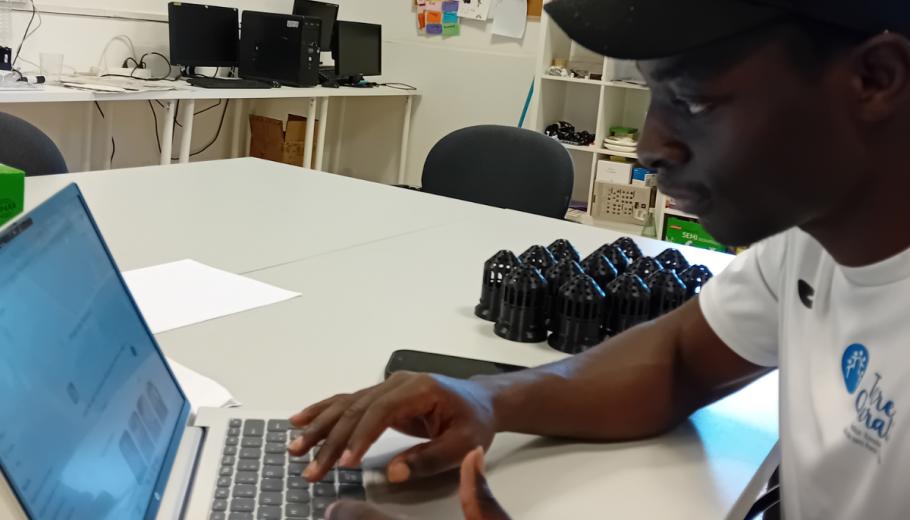


At Suara Cooperativa, we have opened local branches of the Social Digital Lab (SDL), our social innovation laboratory, in Girona, Amposta, and Lleida, with the aim of placing technology at the service of the territory and driving access to technological and digital training for everyone
At Suara Cooperativa, our mission is the social transformation of our environment. Therefore, in a world where technology advances rapidly, one of our core values is innovation, which we put at the service of people to bridge existing social, economic, and digital divides.
This challenge takes on even greater significance this week as tomorrow marks International Literacy Day. Traditionally, literacy focused on ensuring that everyone has access to education and can learn basic skills such as reading and writing. However, in an increasingly digitalized world, this equality of opportunity undoubtedly also requires the population to acquire the digital and technological skills necessary for the labor market.
This opens the door to new challenges that we at Suara Cooperativa want to address through our goal of putting innovation at the service of people. In this context, one of our ambitions is to expand innovation beyond the metropolitan area so that it reaches every territory, allowing anyone to gain the basic digital and technological skills required by today's society.
"We talk about distributed innovation because in all the territories where we provide Suara Cooperativa services, we want to have a space where these technologies can be leveraged according to the needs of the services, the territories, and above all, the needs of the people we care for," explains Jordi Picas, Director of Innovation at Suara Cooperativa.
Bridging Divides Through Localized Innovation
For this reason, we are committed to an innovation decentralization campaign that has led us to open local branches of the Social Digital Lab, our social innovation laboratory, in Girona, Terres de l’Ebre, and Lleida.
In doing so, Suara Cooperativa is bridging two essential social divides: on the one hand, we bring innovation closer to communities across Catalonia, eliminating the territorial digital divide; on the other hand, we combat the educational divide by promoting digital literacy among the people we support—many of whom are in vulnerable situations across the region. We give them access to technology that was previously out of reach, helping them acquire digital skills that unlock new opportunities in today's society.
"Opening this space in Amposta demonstrates Suara Cooperativa's commitment to working openly with the community and through deep local roots. Above all, it shows that we can implement innovative improvements tailored to the specific people we serve in each location," highlighted Laia Bonastra, President of our cooperative, during the presentation of the Terres de l’Ebre branch.
For his part, Francisco Guzmán, Innovation Manager in Terres de l'Ebre, stresses that the local Social Digital Lab aims to be a space "to drive useful projects for the region, connecting technology, social innovation, and real community needs."
Virtual and Immersive Reality
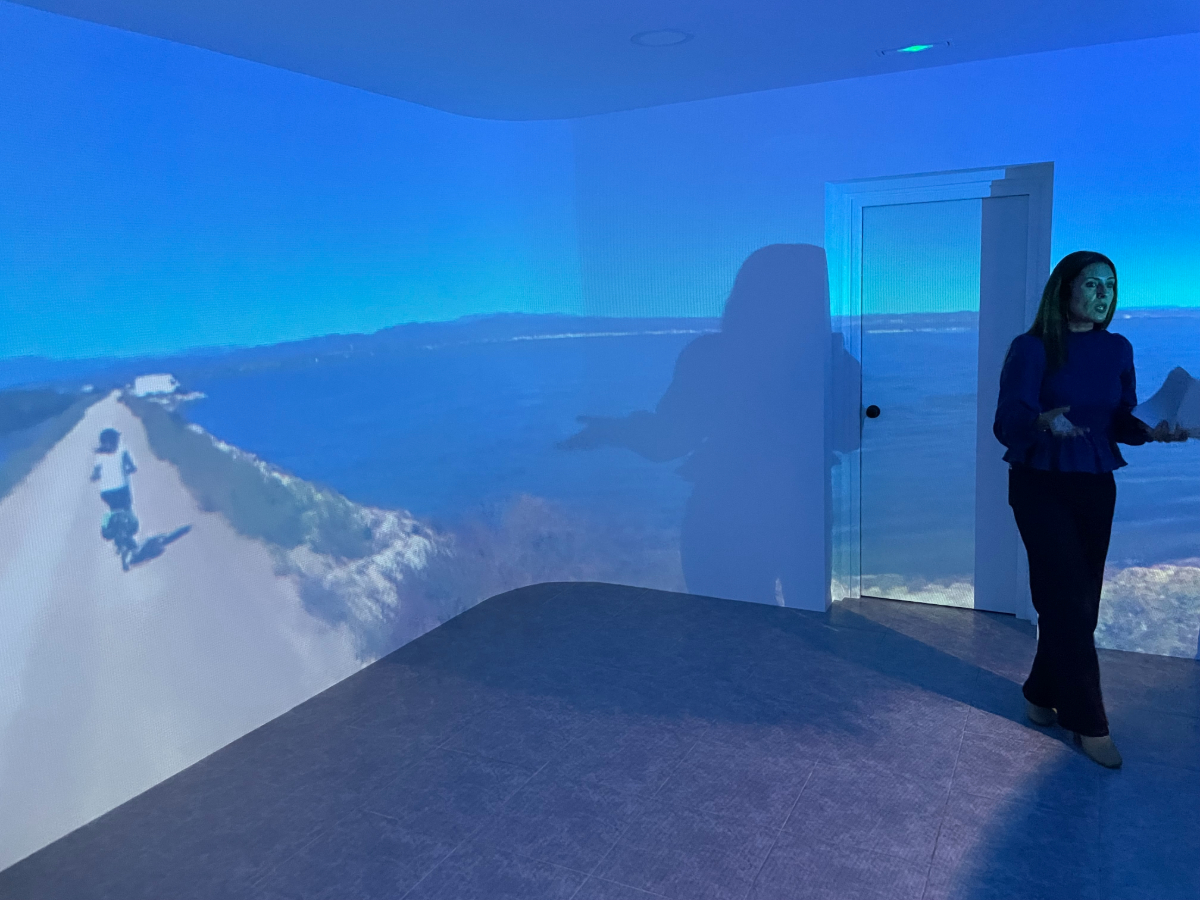
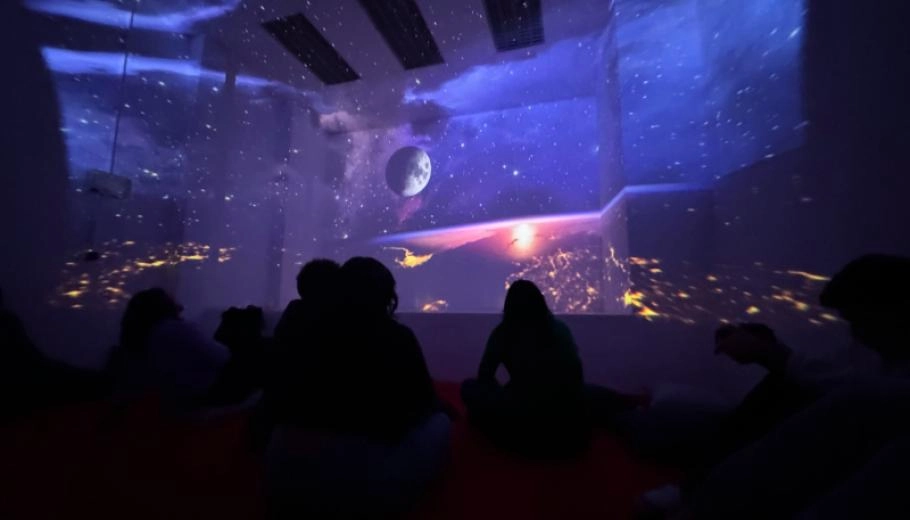
In Terres de l’Ebre, as in Girona, one of the most successful ongoing projects is the use of virtual and immersive reality to support young people in mental health care. A major benefit of this technology is that it allows the creation of realistic environments for therapeutic sessions with an expert to address emotions, trauma, and emotional, psychological, or physical well-being.
These same technological advantages can also be applied in other areas. In Lleida, for instance, where we support former care-experienced youth in residential programs with job placement initiatives, we have used it for a very different goal: simulating real job selection processes and interviews. This provides youth with a realistic first-hand experience, helping them identify and manage the emotions involved, practice responses to potential questions, prepare their conduct during interviews, and enhance their communication skills.
3D Printing Technology
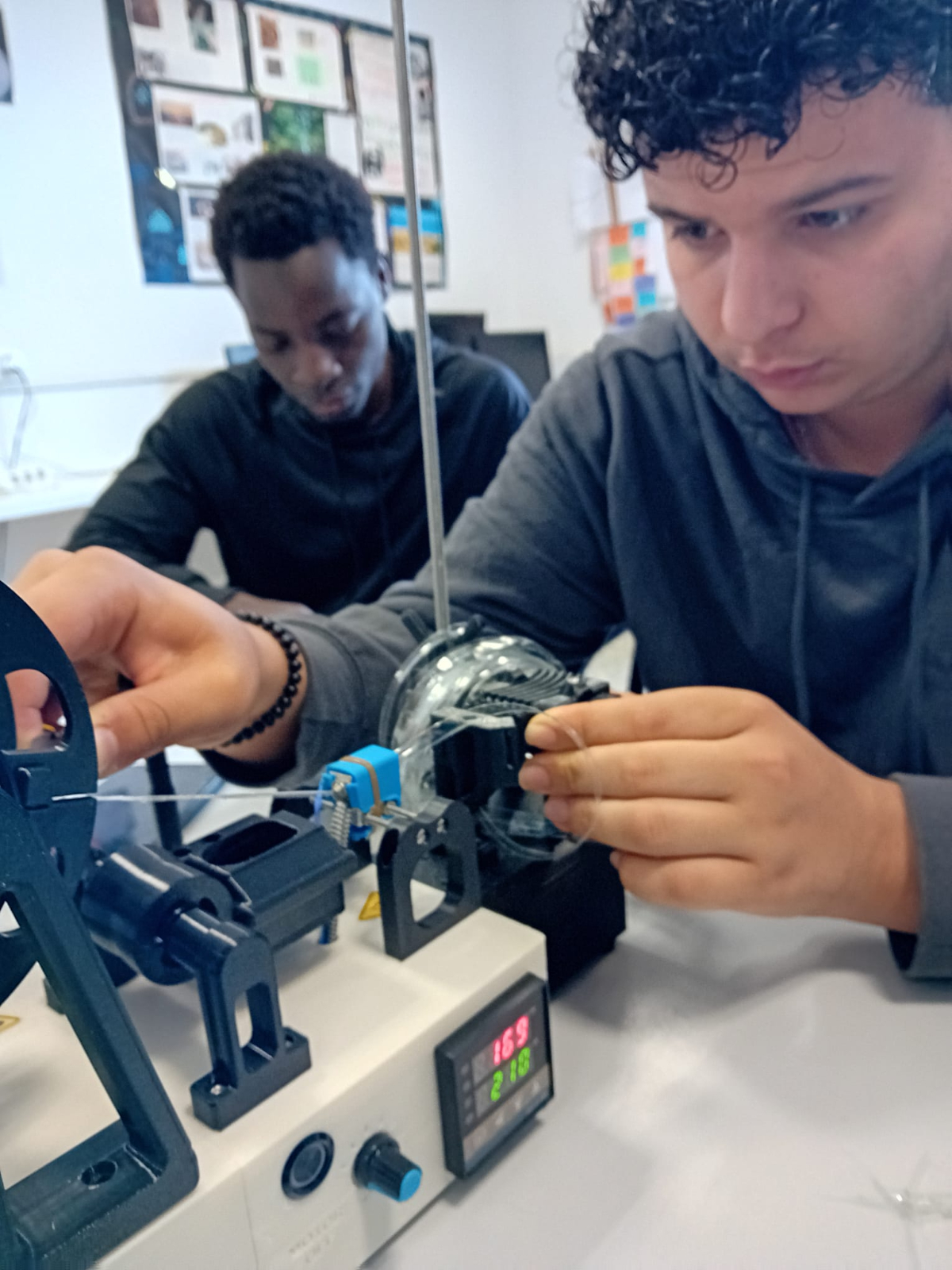
Additionally, we are training youth across the territory in 3D printing—a technology that will undoubtedly open doors in the job market, as companies increasingly adopt it for sustainable, low-cost production.
In Lleida, for example, young participants have manufactured low-cost ophthalmic products for the NGO Ocularis, which will be sent to Dakar (Senegal) to facilitate eye care examinations and diagnoses. They have also produced medical supplies for people affected by earthquakes in Venezuela, as well as vertical gardens that promote more environmentally sustainable agriculture.
For Susana Benabarre, Innovation Manager in Lleida, these projects generate multiple impacts that demonstrate how innovation can transform lives. First, by training the youth we support, empowering them with technology and creating opportunities in society and the job market. Second, by benefiting people on the other side of the world with essential items made in Lleida that they otherwise couldn't access. Third, by promoting sustainable practices both in the production process and through vertical farming. "This way, while learning 3D printing technology, the youth we serve see that their work has real meaning," says Benabarre.
Álex Fernández, socio-occupational and digital fabrication technician, emphasizes the importance of making technology accessible locally "to reduce inequalities and create training and employment opportunities." He explains that the 3D printing training uses a learning-by-doing methodology: "They end up acquiring broader skills with clear career prospects."
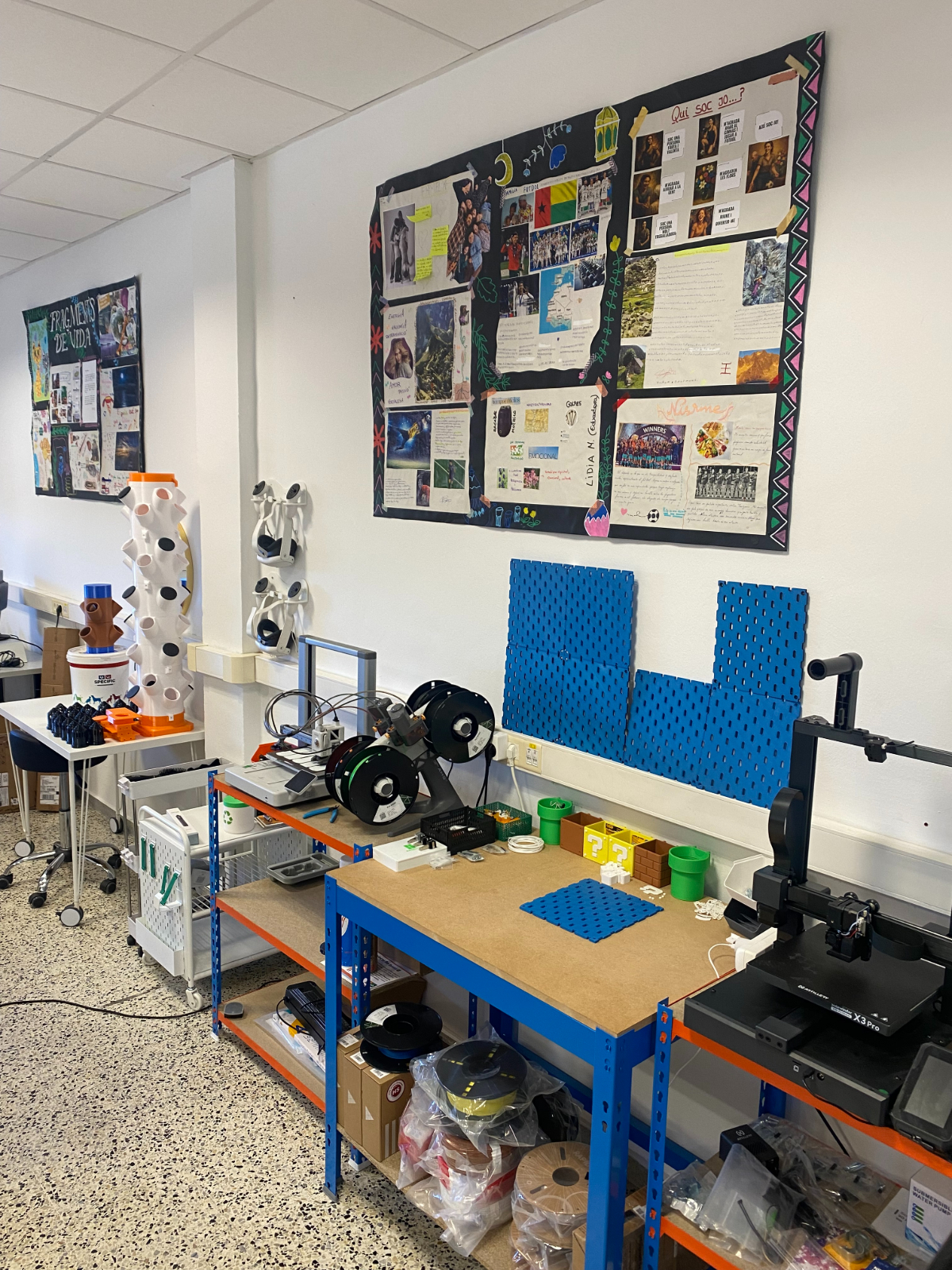
Benabarre adds that they currently have another project underway: giving a second life to recycled plastic bottles by converting them into 3D printer filament. This reflects another major goal for Suara Cooperativa: promoting a circular economy that is beneficial, friendly, and sustainable for the planet.
In summary, coinciding with International Literacy Day tomorrow, Suara Cooperativa highlights the importance of decentralizing innovation across Catalonia. First and foremost, to ensure equal access to innovation and combat digital illiteracy. Second, because local communities know their own needs best, meaning innovation projects must be born within and together with the community. Finally, because these projects frequently foster a circular economy and more sustainable production models.
Combating digital illiteracy not only enables us to build a more socially and environmentally equitable and sustainable future, but also allows us to start building that future today by bridging major social, economic, and digital gaps.


