

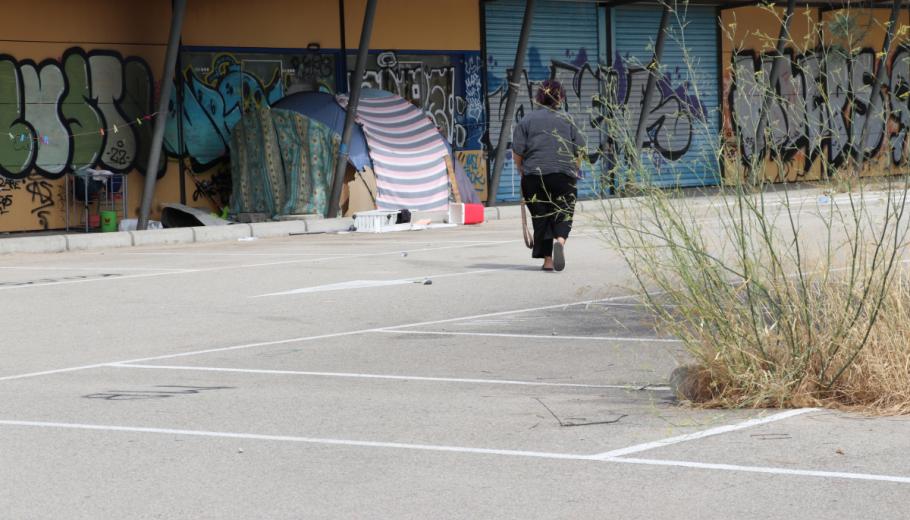


The itinerant service in Alt Empordà assists individuals trapped at the border, female survivors of human trafficking, and employed workers who cannot afford rent in tourist hotspots; meanwhile, the shower and laundry service in Palafrugell (Baix Empordà) mainly supports families.
The beauty of the Empordà coastline, where pine trees meet the sea, conceals extreme vulnerability. Homelessness here is far from uniform; it is chameleon-like, adapting to the reality of each municipality. For nearly two years, Suara Cooperativa has operated a street-level mobile service in Alt Empordà alongside a shower and laundry facility in Palafrugell (Baix Empordà). How did these initiatives start?
At Suara Cooperativa, proximity to both the individuals supported and their immediate environment is a core value. Thus, these services were designed from a local perspective within a territory where the organization already had experience managing supported housing for individuals experiencing homelessness or requiring inclusion support.
Through these existing resources, Marta Julián, Director of Homelessness Services in the area, and Pepi Ruiz, Operational Director, realized that the Empordà is a crossroads with multifaceted realities of homelessness. Suara Cooperativa recognized a crucial gap that needed filling: direct outreach for individuals experiencing homelessness or living in substandard housing.
To deliver robust solutions, Suara Cooperativa partnered with local authorities. They proposed an inter-cooperation project to the Alt Empordà Regional Council and the Municipalities of Figueres and Palafrugell, funded through a Convo grant from the Department of Social Rights and Inclusion.
This collaboration began yielding results three years ago during its initial phase: a comprehensive diagnosis of local homelessness. A primary finding was that affected individuals were often unaware of their rights or the services available to them. "We needed a mobile service to act as a direct link between people experiencing homelessness and public administration," explains Julián.
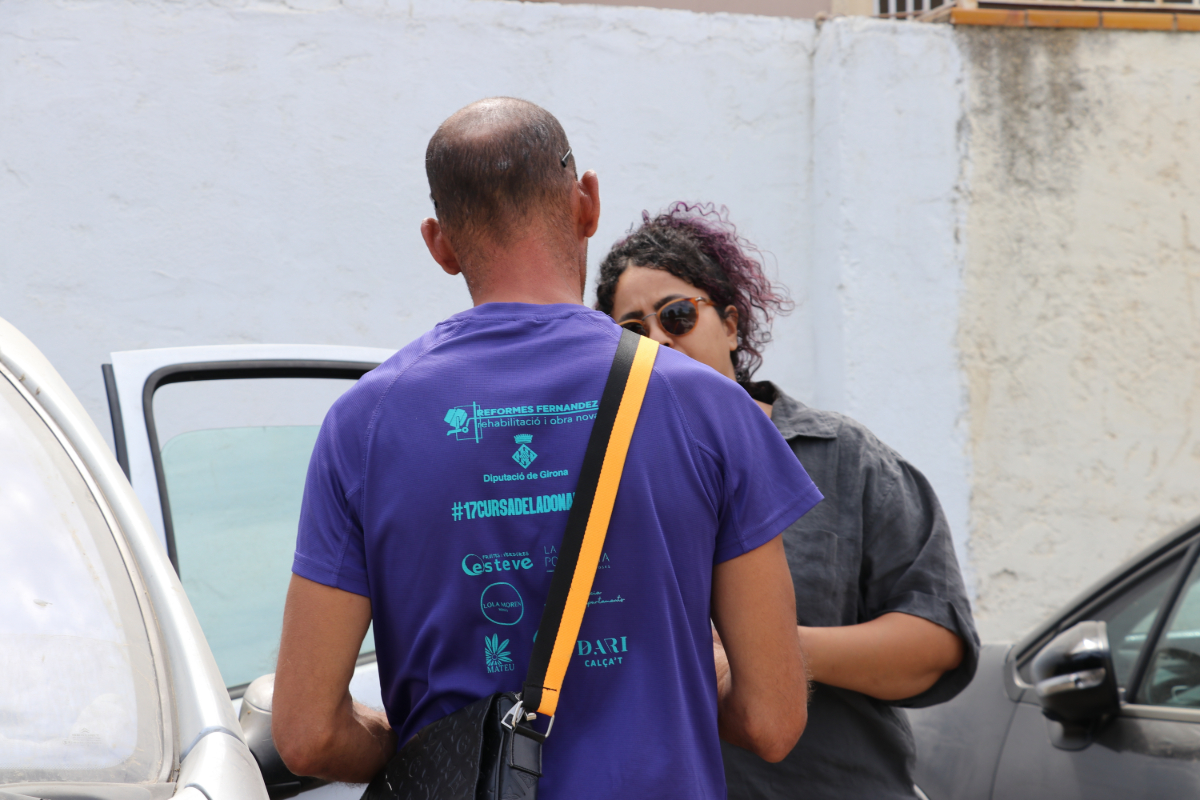
Marc Aguilar, a professional involved from the project's inception, shares this view: "We realized this gap could be bridged by two professionals working on the street to inform and advise individuals directly."
As part of the social integration team traveling across Alt Empordà during this second phase, Aguilar works directly in small villages where local resources are limited. "We deliver sleeping bags and winter clothes in the cold months, t-shirts in the summer, provide emergency food support, and connect individuals with social services or local healthcare centers," Aguilar explains. "The most critical factor is building a relationship of trust."
The Faces of Homelessness
Beyond providing immediate assistance, field operations have helped map the diverse profiles of homelessness in Alt Empordà, the majority of whom are men aged between 40 and 60.
Border towns like La Jonquera and Portbou are defined by a distinct social dynamic where the administrative border acts as a human, economic, and institutional bottleneck. This condition turns these streets into forced stopping points for highly vulnerable populations.
The proximity to the French border attracts but also traps. Tax and price disparities make these municipalities destinations for rapid cross-border consumer tourism. This dynamic severely impacts individuals struggling with addiction, who find easier and cheaper access to substances or alcohol in Catalonia. Many become trapped in a cycle of dependency and marginalization, disconnected from their home support networks. Consequently, La Jonquera and Portbou absorb a floating population without sufficient social, medical, or security resources to properly support them.
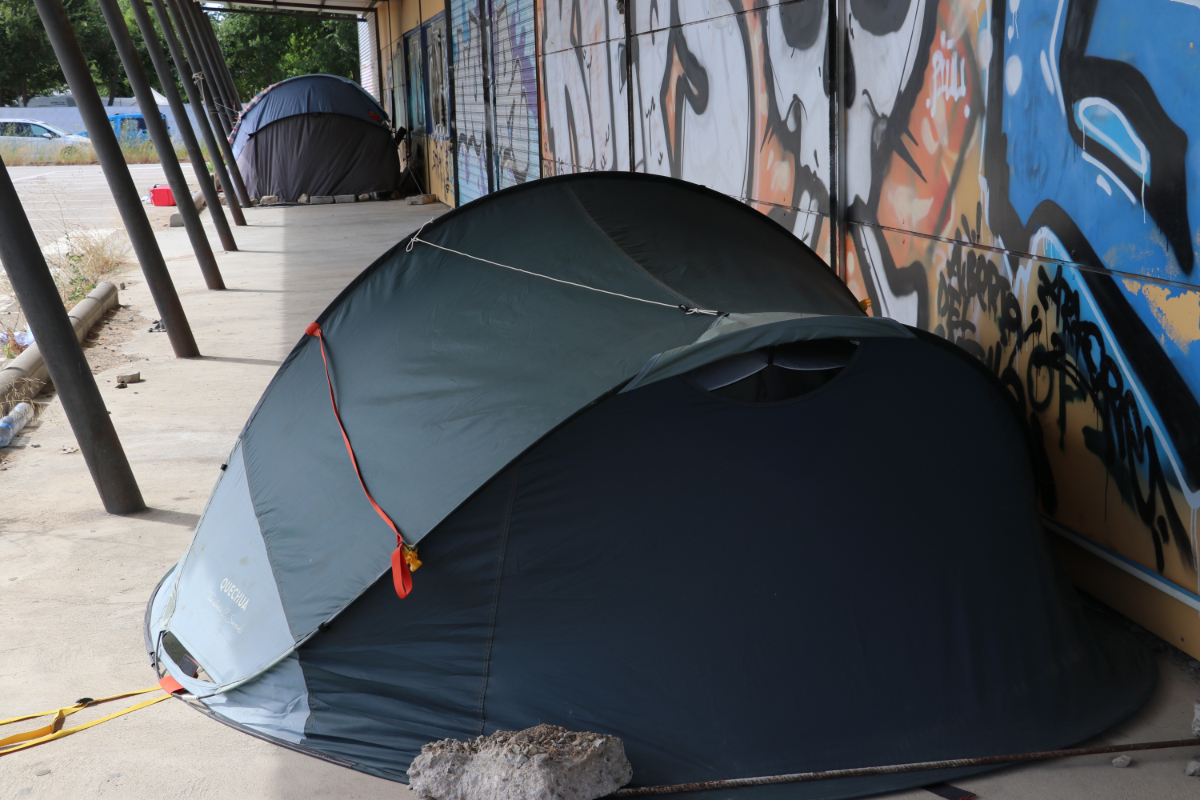
Conversely, in coastal towns like Roses or Sant Pere Pescador, homelessness is linked to seasonal tourism. Many individuals are employed but live in vehicles, tents, or substandard housing due to the unaffordability of local rents.
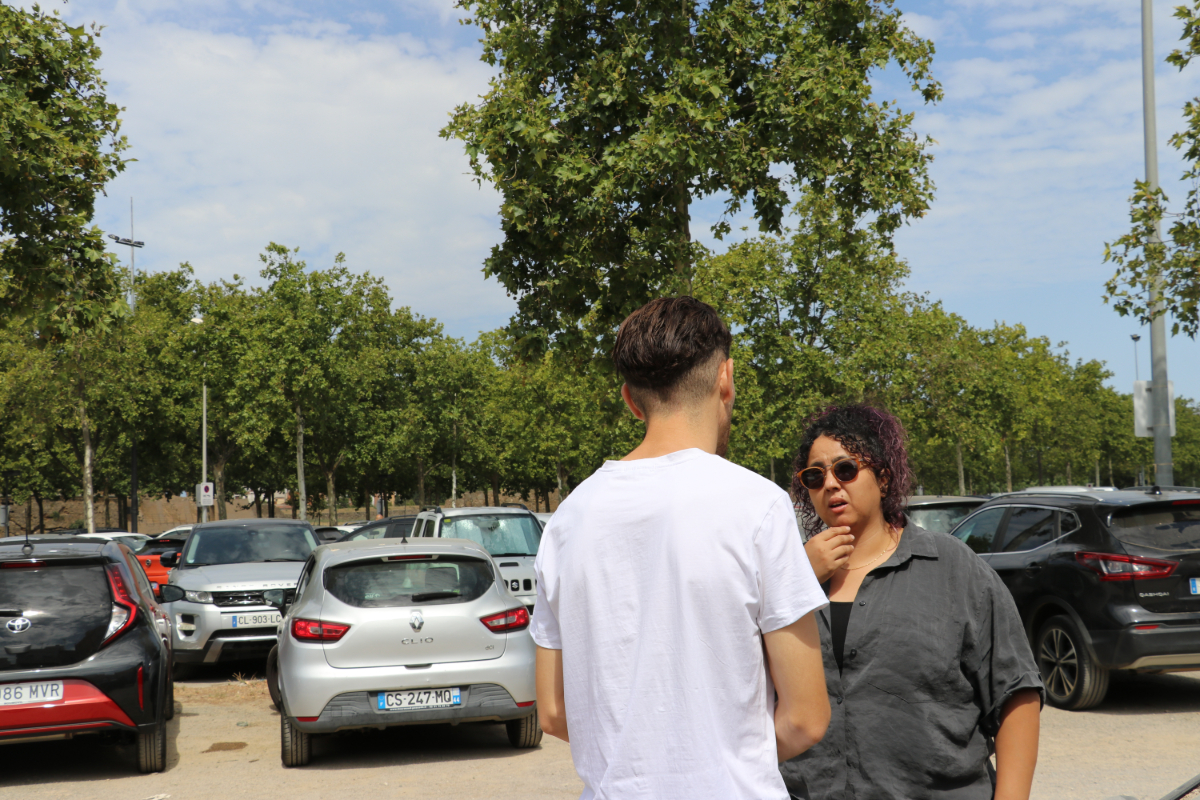
Additionally, Hanae El Artab, a professional at Suara Cooperativa within the mobile team, highlights the situation of women with complex life histories, including survivors of human trafficking. "They end up on the street due to various circumstances, often facing severe mental health challenges and addictions that make escaping homelessness extremely difficult," she notes.
There is also a growing demographic of individuals over 75 who, facing prior social fragility and possibly triggered by an illness, find themselves excluded. Aguilar notes that team members visit them frequently, as isolation is a major factor.
Health issues also affect younger individuals, such as Youssef Tahroui, who left Morocco by boat in 2023 to seek treatment for a heart condition he could not afford at home. Currently living in an abandoned house in Roses, he recently regularized his legal status and is scheduled for surgery in Girona this October. "I am studying Catalan and have achieved level C," says Tahroui. "I hope to start working in January. I am young and skilled—in Morocco, I worked as a mason, plumber, and painter."
Restoring Human Dignity
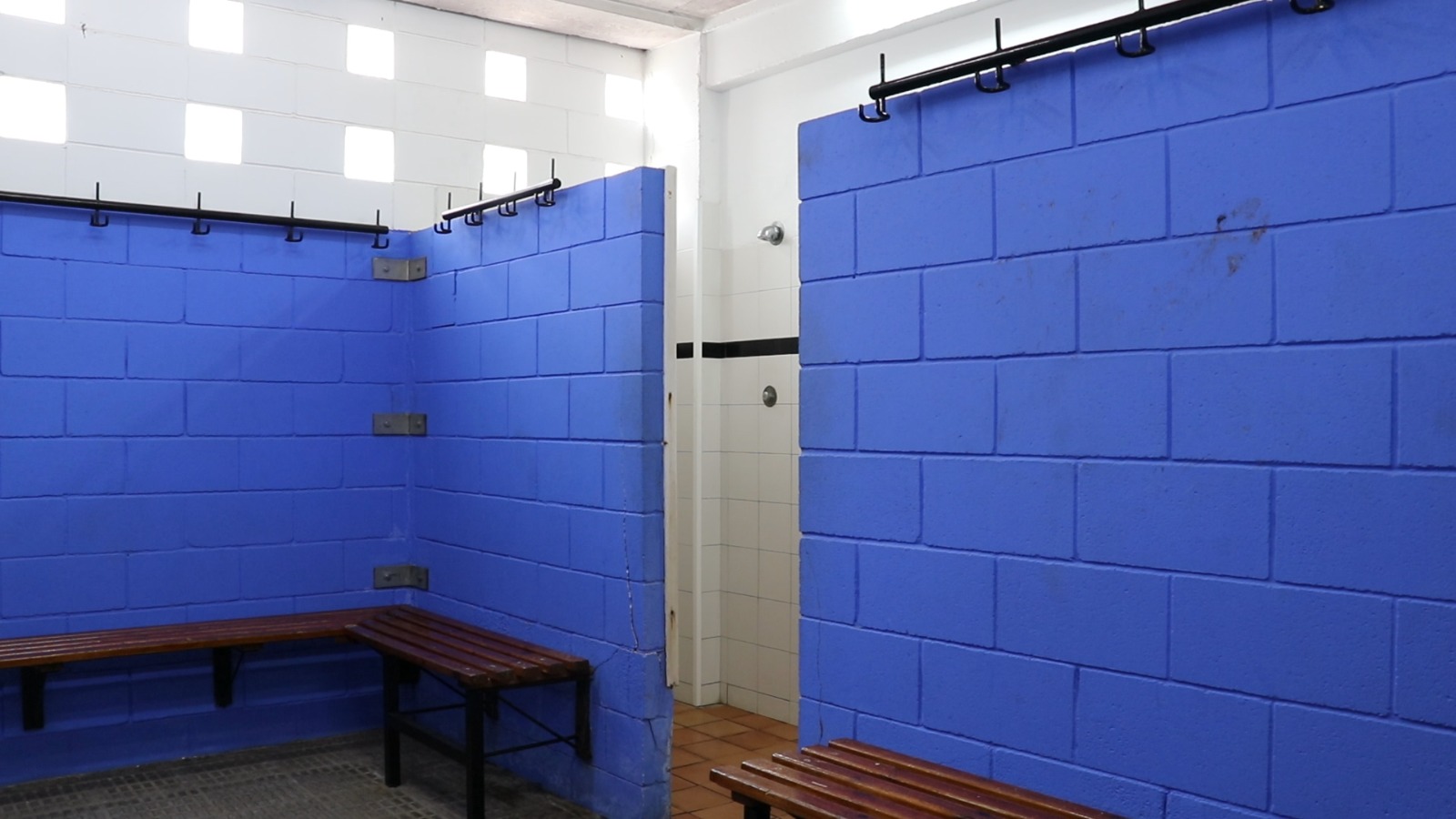
Beyond fulfilling basic needs, the initiative aims to restore dignity. Two years ago, the shower and laundry service in Palafrugell was launched, primarily supporting families and unaccompanied youth.
Consol González, a social integrator at Suara Cooperativa for this facility, notes that the service acts as a primary contact point before referring individuals to Red Cross, Cáritas, or educational services for families with children. "Previously, due to language barriers and lack of orientation, many could not access help," she emphasizes.
The facility regularly serves 18 people, with around 70 referrals from the Palafrugell Municipality, alongside walk-ins through word of mouth. "The service is deeply rooted in the community. We need longer ope Gónzalez.

The Evidence Map
Data collected during the diagnostic phase and daily outreach has been synthesized into an evidence map. This map pinpoints locations and living conditions of individuals in substandard housing or homelessness. It assists staff in planning outreach routes and serves as an empirical tool to advocate for public policy changes with local councils.
Analysis of the map indicates that the current 25 weekly hours of mobile outreach cover only about 20% of the total homeless population in the area. "Our goal is to reach more people and expand the mobile service—it is essential," states Aguilar. Julián emphasizes that it is also important to expand services like the Palafrugell shower and laundry facility, which, as noted, have proven successful.
Furthermore, Julián notes that the collected data highlights the impact of aggressive housing market dynamics on the working class. "We must systematically collect real evidence to present concrete proposals for policy reform to public officials," she argues.
El Artab concludes: "An average wage earner cannot afford housing today. When someone resorts to living in a tent, it is because they have no other options left. And once you are on the street, getting back out is extremely hard."


