

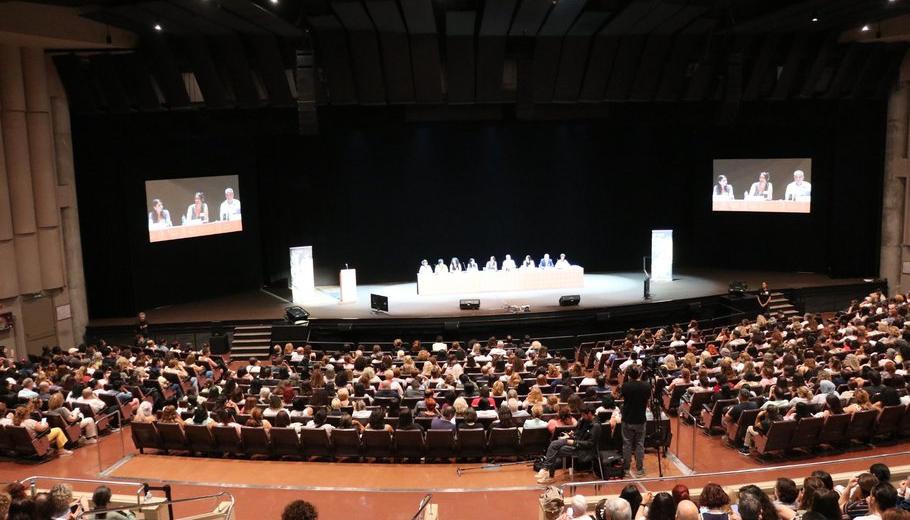


Within the framework of the International Day of Cooperatives, we reflect on how democratic governance takes shape in everyday practice. A model in which participation is the foundation of the project.
In a context that calls for greater social cohesion, trust and the capacity for a shared response, this year's theme for the International Day of Cooperatives, "Cooperatives for a Peaceful World", takes on its full meaning.
Aware that peace is not only the absence of conflict, but also the promotion of well-being, the fostering of quality employment and inter-cooperation to generate shared responses to social challenges, the cooperative movement reaffirms itself as a relevant model that puts people at the centre and builds projects through collaboration.
Living, deciding and building collectively is, in this sense, a tangible way of understanding this commitment.
Democratic governance as a driving force
The clearest expression of this vision is the way in which the cooperative movement structures participation, which is what gives meaning and shape to the model. At Suara, this participation becomes shared governance among its 1,882 member-owners, unfolding throughout the year and making collective decision-making possible.
The General Assembly—of which two meetings are held each year—and the Governing Board are the cooperative's main governance bodies. Through these bodies, strategic guidelines are approved, activities are monitored and responsibility for the project is shared.
However, participation is not limited to these bodies. It is built continuously through spaces such as the General Assembly Preparation Sessions (EPAG), Open Circles and meetings with the Governing Board. It is also fostered through initiatives such as Suara és teva, with more than 800 member-owners involved in reviewing different areas of the Articles of Association.
A network-based organisational model
Participation is the foundation of the model and remains active and constantly evolving. In fact, throughout 2025, initiatives were launched to strengthen member participation and the sense of belonging, as well as new forms of shared leadership aimed at promoting a strategic and adaptive approach.
Beyond the day-to-day practice of democratic governance, during the past year progress also continued towards a network-based organisational model that places services and projects at the heart of the organisation's activity while strengthening its connection with the realities of the different territories.
This approach ensures that decisions are closely linked to the day-to-day operation of services and to the people who make them possible, strengthening the connection between the cooperative's organisational structure and its member-owners.
Good governance and shared trust
In addition to participation, a key element of the cooperative model is the guarantee of good governance, based on compliance and oversight mechanisms that ensure responsible conduct consistent with cooperative values.
At Suara Cooperativa, this framework is complemented by bodies such as the Ethics Committee, the Compliance Committee and the Privacy Office, all of which contribute to ensuring quality, security and trust in the services provided.
Because good governance is also a shared culture that drives a project that puts people at the centre.


