

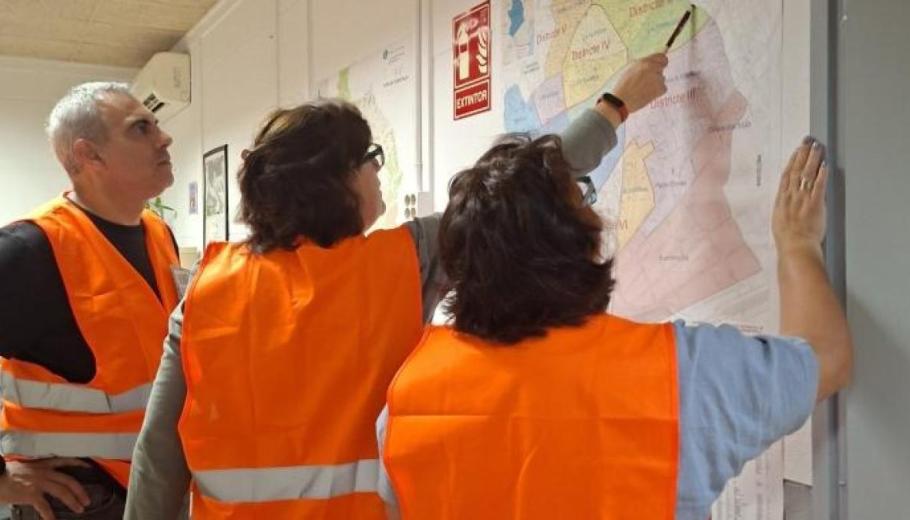


The count, jointly organised by L'Hospitalet City Council and several social organisations, identified 174 people sleeping on the streets or in vehicles and another 70 staying in municipal residential accommodation. Suara Cooperativa continues to contribute to this initiative to better understand homelessness and improve the response to it.
How many people sleep on the streets of L'Hospitalet de Llobregat? What is life like for people without a home? And how can public authorities and social organisations respond more effectively to their needs?
The latest homelessness count, conducted on the night of 27–28 October, identified 174 people sleeping on the streets or in vehicles, representing a 49% increase compared with the 117 recorded in 2025.
A further 70 people were staying in municipal residential accommodation that night. In total, the count recorded 244 people experiencing homelessness, compared with 185 the previous year.
Understanding the situation to improve support
The count was jointly organised by L'Hospitalet City Council, the Red Cross, Cáritas Diocesana de Barcelona, Fundació La Vinya, Suara Cooperativa and AEC Gris.
A total of 90 volunteers and professionals covered the 22 areas into which the city had been divided, identifying people sleeping in public spaces and gathering up-to-date information about homelessness.
Beyond the figures, these counts are an important tool for understanding the scale of homelessness, identifying needs and guiding social care resources and public policies. They also help raise awareness of a reality that often remains overlooked by the wider public.
A longstanding commitment to addressing homelessness
Suara's participation in this initiative builds on its involvement in previous editions, contributing to the city's assessment of homelessness and a better understanding of housing exclusion.
At Suara, our approach to homelessness goes beyond meeting immediate needs. We are committed to providing comprehensive support that respects each person's rights and individual pace, helping people regain their independence and access decent housing.
The growing number of people living on the streets highlights the need to strengthen collaboration between public authorities and social organisations, combining outreach, ongoing support and effective responses to prevent and overcome housing exclusion.


