

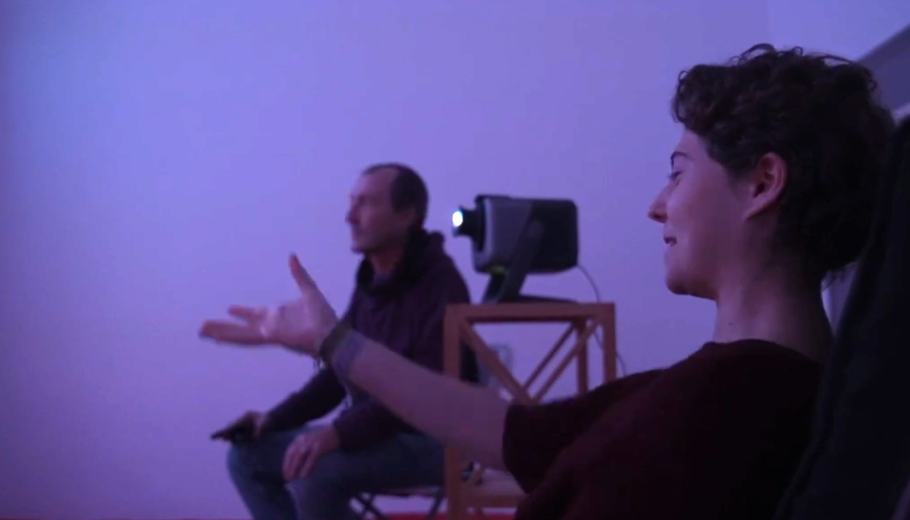


How do you connect with an adolescent who is living with emotional suffering or the aftermath of a complex trauma, and who feels deeply worn out by conventional therapy?
Often, the classic consultation format generates asymmetry, distance and barriers that are difficult to overcome through conventional therapy. To turn this reality around, Suara Cooperativa has integrated immersive reality technology within a framework of its own therapeutic intervention, among which the EMOTIO and RESILIENTS projects stand out.
To publicize the initiative, we have created an audiovisual report that includes the conceptualization of the project, the design of the interventions and the first-person experience of transformation of the project's protagonists in this video.
Safe and multisensory environment
Els projectes 'Emotio' i 'Resilients' s'articulen al voltant del model de traumateràpia sistèmica de Barudy i Dantagnan, l'expertesa de les professionals de Suara en l’atenció a la salut mental psicosocial, i la metodologia immersiva desenvolupada pel Social Digital Lab de Suara i Broomx en els darrers anys.
The 'Emotio' and 'Resilients' projects are based on the systemic trauma therapy model of Barudy and Dantagnan, the expertise of Suara professionals in psychosocial mental health care, and the immersive methodology developed by Suara and Broomx's Social Digital Lab in recent years.
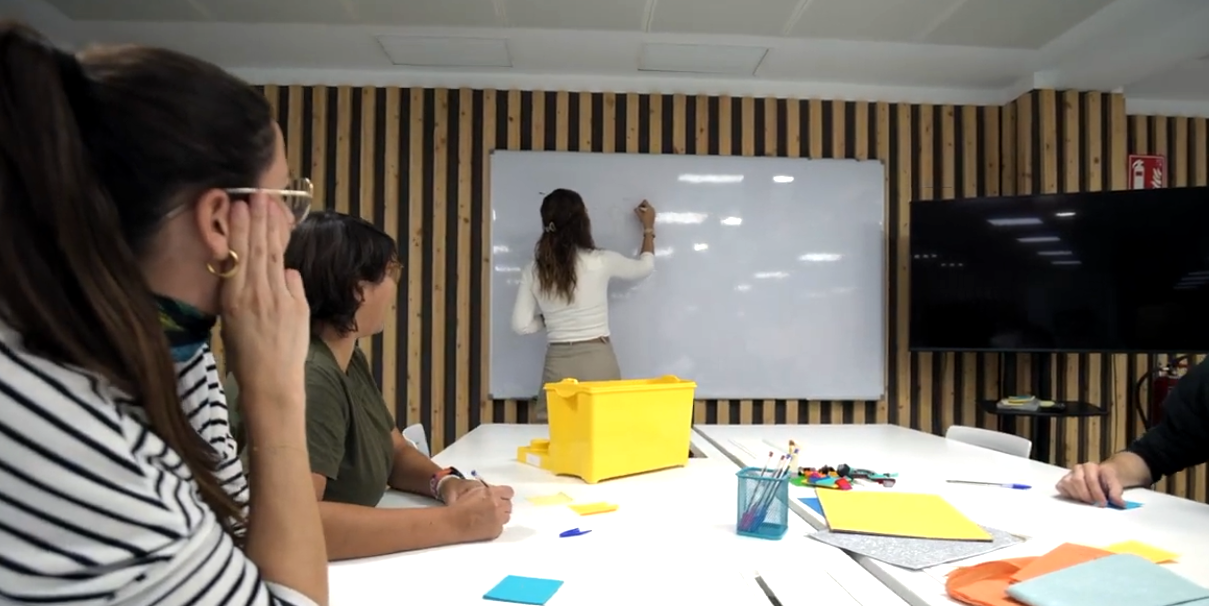
The project and team promoting therapeutic care for young people in vulnerable situations and associated mental health conditions have allowed the group to be supported in repairing traumatic experiences in childhood and adolescence, and improving their well-being, social ties and the recovery of relationships with the community.
In the immersive rooms, the person is an ACTIVE subject who exposes himself and relives emotional states or situations with the guidance and attention of educators and psychologists, allowing cognitive restructuring, integration and emotional modulation. The audiovisual stimulus facilitates the simulation of experiences to accompany the therapeutic process. Complex trauma, which often blocks the language areas of the brain, finds a non-invasive way of expression in the visual code. As one of the young people in the project expressed: “The project has made me feel accompanied, knowing how to manage these emotions that are sometimes a little abstract and that you don't know how to name."
The Resilients project, driven by professionals and a team of mental health experts from Suara, in collaboration with the Hospital Sant Joan de Déu, has analyzed the impact of immersive reality as a clinical catalyst and psychosocial care for young people with complex mental disorders and those who have been removed from care. This tool, complementary to therapeutic intervention, has allowed the physical environment to be modulated and situations to be simulated with the aim of improving care and support. The innovative intervention has demonstrated great potential for therapeutic improvement, enabling young people to express themselves, develop self-awareness and self-regulation strategies, and move towards greater autonomy and emancipation.
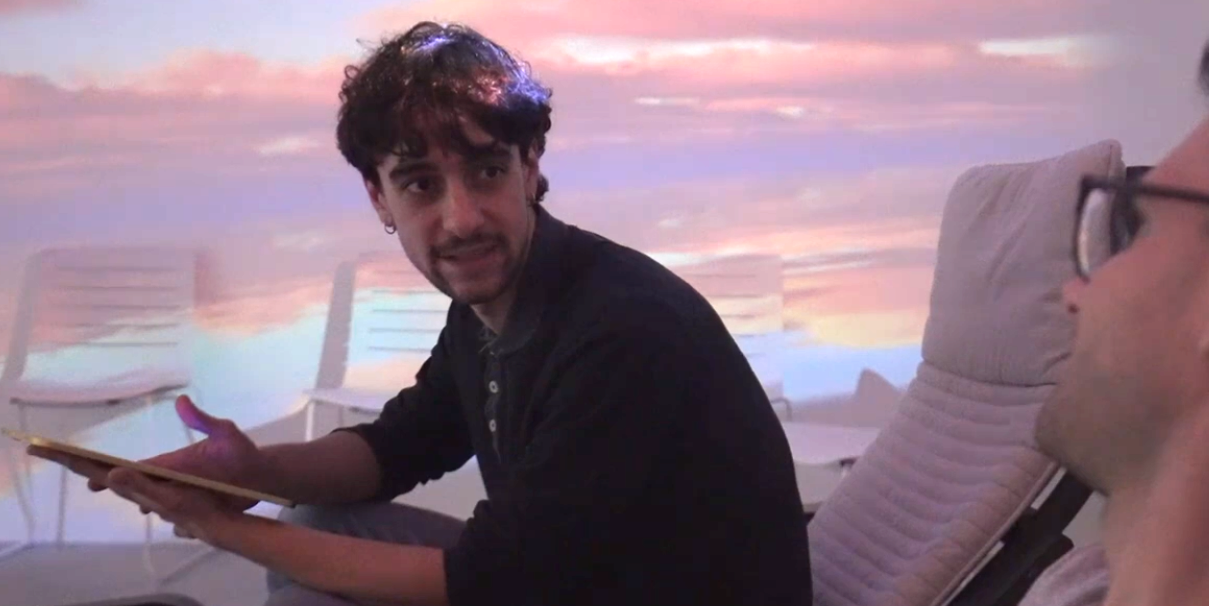
Emotio, a project subsidized by the Department of Social Rights and Inclusion, starts from a more community perspective to address the emotional distress of young people who do not necessarily have a mental disorder, but who require support to deal with complex personal and emotional situations. After more than two years of intervention, it has been found that it is a tool that facilitates bonding with young people and contributes to generating significant therapeutic changes, especially in the area of emotional self-regulation.
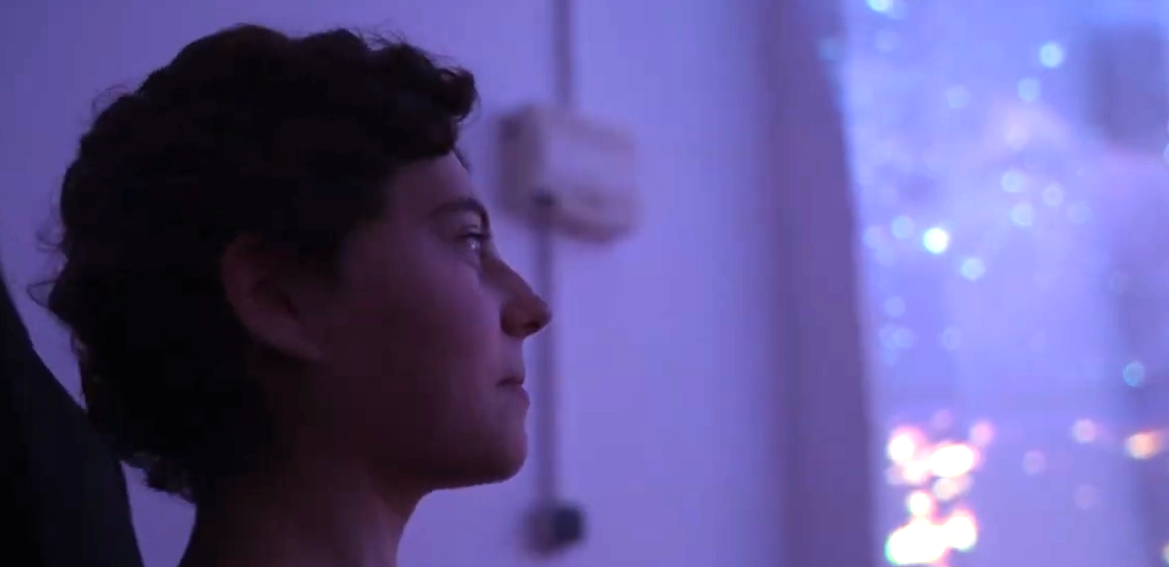
The axes of psychosocial intervention with immersive support
1. The therapeutic and educational bond
By sharing the same immersive and multisensory visual space, the professional and the young participant inhabit the same symbolic environment. There are no individual screens separating them or tables acting as barriers. This allows visual contact to be maintained, reducing the adolescents' initial resistance and accelerating the creation of a relationship of mutual trust, a basic element for the success of any psychotherapeutic process. "The young person sees how it is easier to open up emotionally (...). The boys come wanting to come, and I think it is because of the tool that is used, but also because of the professional who uses it."— Therapist specializing in complex trauma
2. Emotional self-regulation
Through the Emotio program, focused on individualized attention, adjustable and controlled visual and sound atmospheres are created. The therapist can help them recognize their states of anxiety, stress or blockage, offering them a safe space, which facilitates the learning of self-regulation techniques. The clinical impact of this training is direct: a notable reduction in acute crises and psychiatric emergencies is achieved.
3. Empowerment through co-creation
Many young people who are in a situation of vulnerability or under protection measures feel that they have little control over their own lives. The Suara model turns this dynamic on its head through active participation: the young people themselves get involved in the design and production of the audiovisual content that will be projected in the rooms. Deciding how their care environment is configured gives them back their personal agency and self-esteem.
4. Autonomy and emancipation
The intervention transcends clinical therapy to focus on psychoeducation and the achievement of greater independence. Immersive dynamics are used to strengthen the social skills, resilience and support network of young people. This support is key for young people in a situation of vulnerability or in the process of guardianship or ex-guardianship, as it provides them with solid emotional and relational tools to successfully face the transition to an independent and emancipated life.
With the 'Emotio' and 'Resilients' projects, Suara Cooperativa demonstrates that psychosocial innovation is born from understanding technology as an ally and therapeutic opportunity. An experiential and multisensory intervention that opens the door to care, learning and emotional repair for young people.
Do you want to know more about Suara's mental health projects and immersive reality? explore the web


