

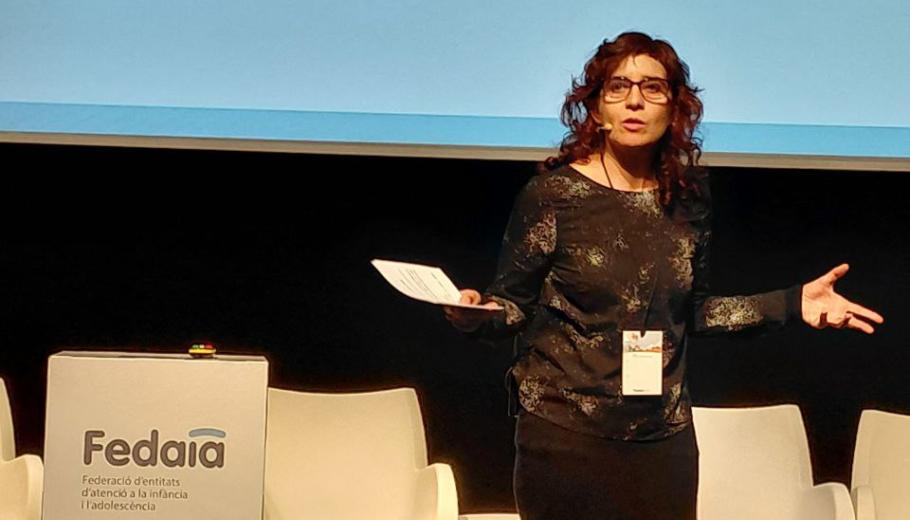


The 29th FEDAIA Forum focuses on a “preventive, community and integrative model”.
The 29th FEDAIA Forum has issued a clear message on the urgent need to address the mental health crisis of children and adolescents. During three days of debates, 200 professionals and experts have highlighted the importance of prevention and the creation of protective strategies. A crucial debate space with the title “Beyond mental health: Social action for emotional well-being”, which will serve to defend the work of the third sector and present a clear route for the transformation of the system.
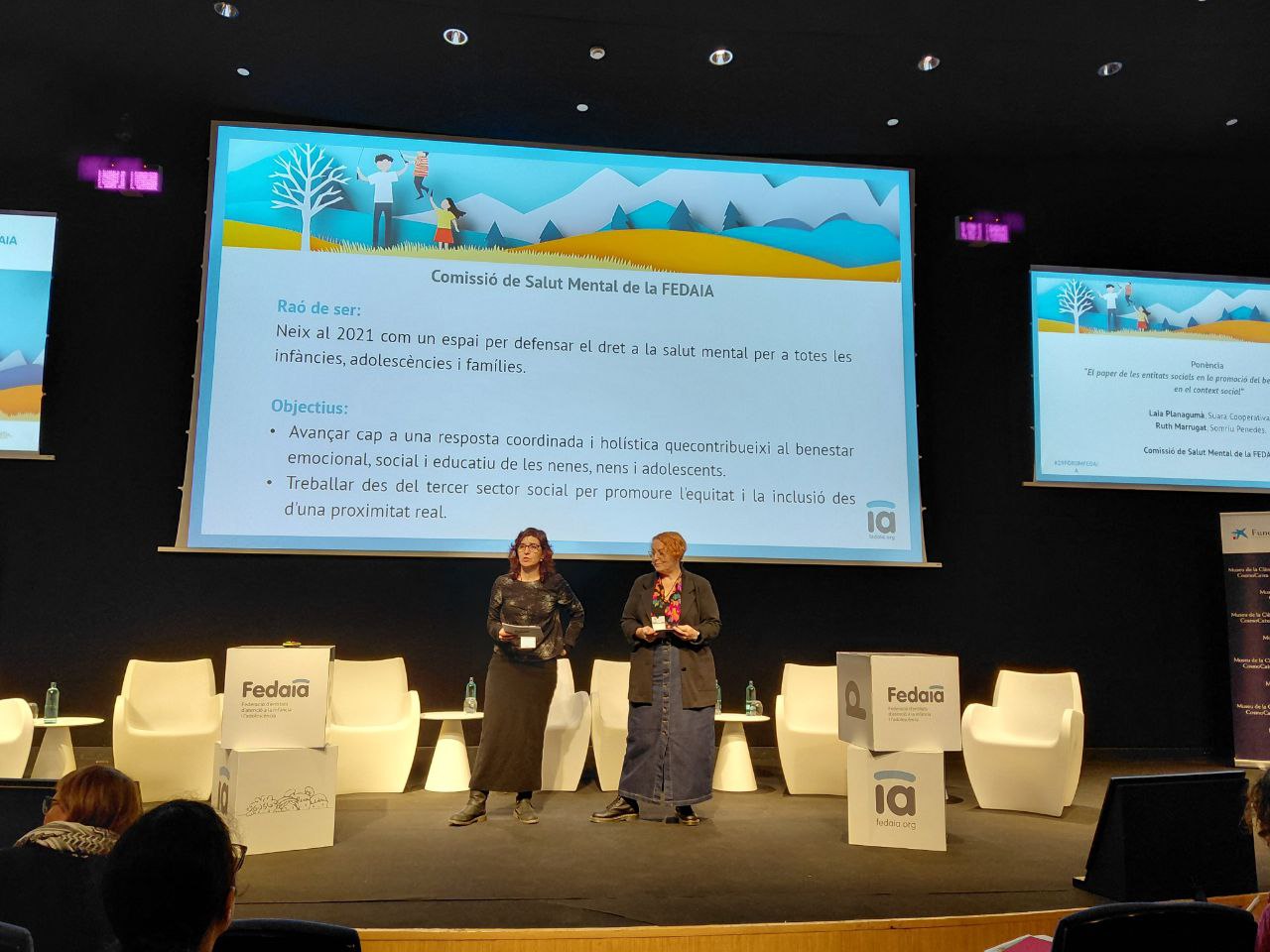
The central presentation, led by the FEDAIA Mental Health Commission, will demonstrate the saturation of the public system, which forces entities to assume a fundamental role in care. The speakers Laia Planagumà, Suara and Ruth Marrugat, Som Riu Cooperativa, members of the commission created in 2021 to defend the right to mental health of children and adolescents, will highlight thatel benestar emocional és una responsabilitat compartida.
An alarming and unequal reality
The facts revealed will show that the situation is becoming more worrying, showing a systemic crisis that especially impacts children and adolescents in situations of greatest social vulnerability. In Catalonia, 10.6% of the child population aged 4 to 14 is at risk of developing a mental health problem, a figure that rises to 13.5% in economically disadvantaged environments. This discomfort can be described as structural and unequal, surpassing the capacity of the public system.
Given this lack of public coverage and the saturation of services (with an average waiting time of 56 days to be treated by psychology professionals at the end of 2023), social entities have assumed a key role in care. FEDAIA entities accompany more than 400,000 children and adolescents and their families annually, with more than 32,000 treated specifically in mental health and emotional well-being programs.
The value of the systemic and community model
The third social sector care model is preventive, systemic, contextual and community. This approach is deployed through services such as socio-educational care, systemic family therapy, psychotherapy, home intervention or support through leisure, often working in direct collaboration with schools, basic social services and mental health centers.
This model differs from other care due to its proximity, local roots and the capacity for early detection. As noted, "we do not intervene in the symptom, but in the history of the child or adolescent". In addition, the entities work to ensure that children and adolescents have their own and binding voice in decisions that affect their emotional well-being, since participation is a preventive and therapeutic tool.
Presentations and workshops presented by Suara Cooperativa
Suara Cooperativa presented two outstanding initiatives during the forum. The first was a presentation on the Therapeutic Space, specifically the Sala de Valents/es, an unconventional space that adapts therapy to the individual needs of each person. Attendees were able to experience first-hand the importance of the therapeutic bond and strategies to accompany the modulation of emotions.
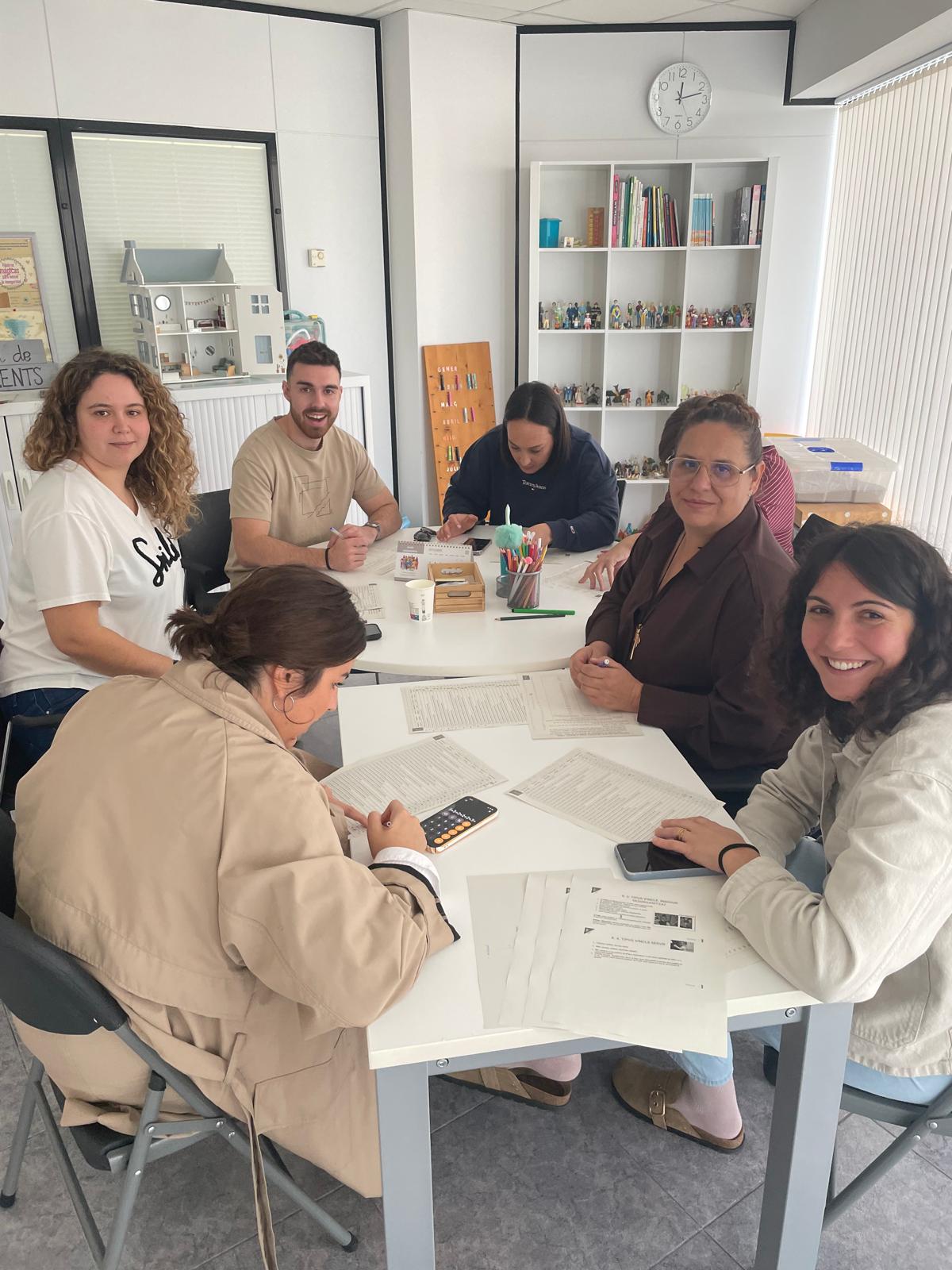
The second initiative was the EMOTIO program, designed for young people between 16 and 21 years old who suffer from emotional distress. The program uses immersive technologies such as virtual and augmented reality, EMOTIO creates safe environments to develop self-esteem, regulate emotions and improve cognitive skills. The workshop includes sessions on emotional identification and regulation, cognitive training and immersive experiences with spaces for reflection.

Roadmap for transformation
The forum concluded with a set of proposals structured in a roadmap to move towards an integrated and community model. FEDAIA called for institutional co-responsibility to guarantee adequate resources and better coordination between services.
Highlighted proposals:
- Short Term: Direct referrals to social entities and urgent funding to sustain active services and avoid the loss of projects and the entire emotional support network that they are.
- Medium Term: Inclusion of family therapy in the service portfolio and promotion of a National Plan for the Prevention of Child Emotional Well-being.
- Long Term: Structural transformation towards an integrated, coordinated and shared governance care model, which legally and financially recognizes the essential role of the third sector.
In addition, the creation of a permanent observatory for child and youth emotional well-being was proposed to coordinate public policies and promote research in child and adolescent care.


