


Suara Cooperativa has launched the DOMOBOI pilot in Ribera d’Ebre, a home support initiative that combines technology and person-centred care to strengthen the wellbeing, safety and autonomy of older people or people with additional support needs.
The project is being developed under the coordination of the Barcelona Supercomputing Center (BSC) and with the support of the Department of Social Rights, with the aim of exploring new ways to identify risk situations earlier and improve support at home.
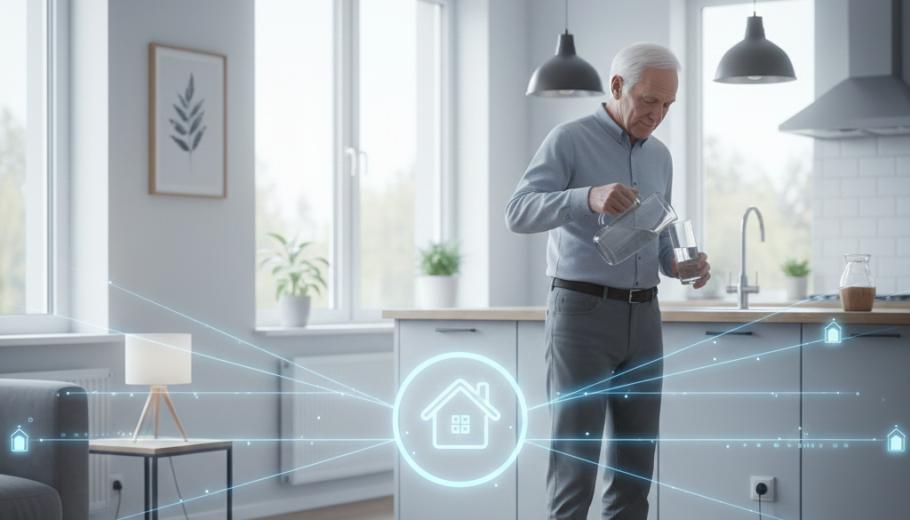
DOMOBOI stands out for its non-intrusive, privacy-respecting approach: it does not use cameras or invasive surveillance systems. Instead, it interprets what is happening in the home based on activity patterns and electricity consumption data, using sensors that can identify meaningful changes in routine. This smart reading helps detect anomalies, anticipate potential risks and trigger alerts when intervention is considered necessary.
This in-the-background way of providing care brings direct benefits to different stakeholders. On the one hand, families gain peace of mind and confidence, knowing their relative is supported without feeling watched. On the other, social and health care professionals have access to useful information to prioritise actions, guide follow-up and enable timely interventions, while also improving resource management. The pilot in Ribera d’Ebre aims to show how discreet technology can complement everyday care with a proactive approach: detect earlier, act better and reduce risk situations or declines that often go unnoticed until they become urgent. DOMOBOI is part of a care model that puts people at the centre and makes technology an ally in strengthening autonomy, safety and living at home.
For more information about the DOMOBOI pilot and options for adapting it to different homes and services, you can contact Suara’s project team.